25 Famous Singers From Indiana – You Won’t Believe #7!
Meet 25 well-known singers from Indiana. From global stars to legendary voices, see how Indiana shaped their music journey.
Aug 15, 202515K Shares206.6K Views
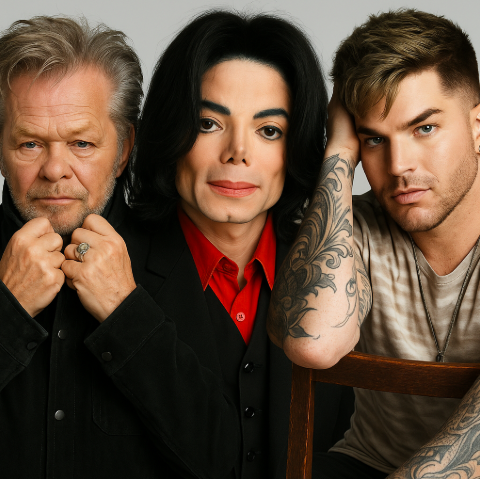
Indiana has quietly shaped the sound of American music through the voices of its most talented singers. From the powerful soul of legends like Michael Jacksonto the raw energy of rock artists such as Axl Rose, the state has produced a wide range of vocal talent that has made a lasting impact. Whether it’s pop, gospel, rock, or country, singers from Indiana have left their mark on global audiences with unforgettable performances and hit songs.
This article highlights 25 of the most well-known singers who were born or raised in Indiana. Their stories, styles, and successes show how much musical depth comes from this Midwest state. If you're curious to discover how Indiana helped shape the voices you’ve heard on the radio or seen on stage, this list offers a clear and engaging look at the artists who made it happen.
Shannon Hoon
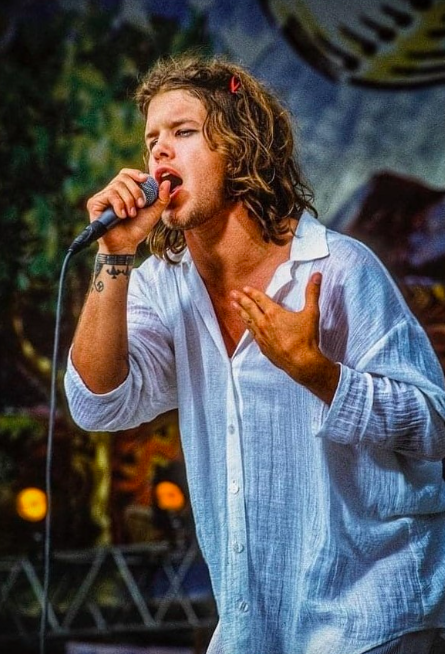
Shannon Hoonwas the powerful lead singer of Blind Melon whose voice carried a raw, emotionally charged quality. His range stretched from soulful low tones to passionate high belts, and he frequently combined folk-rock melody with grunge-era intensity. Hoon’s voice stood out for its expressive rasp and honest storytelling, drawing listeners into the emotions of each song. He conveyed deep feeling through his phrasing and vocal inflection, whether on quieter tracks like “Change” or in the soaring chorus of “No Rain,” where his heartfelt delivery became iconic.
On stage, Hoon was a magnetic presence, unpredictable, high energy, and completely immersed in the music. Whether tweaking conventions at Woodstock ’94 in a white dress or stripping down performances to acoustic sincerity, he captivated audiences with emotional intensity and authenticity. His musical style blended alternative rock with folk and neo psychedelia, setting him apart from his peers. His signature sound, rough yet melodic vocals combined with poetic songwriting, left a lasting impression on the alt-rock landscape.
Blind Melon’s self-titled 1992 debut album, driven by the worldwide hit “No Rain,” went multi platinum and brought mainstream success. Hoon also lent backing vocals to Guns N’ Roses on several tracks. Though he never won major awards personally, his posthumous influence is clear. Many artists cite him as inspiration, and the band’s Grammy-nominated video “Letters from a Porcupine” and the documentary All I Can Saykeep his artistry alive. On October 21, 1995, while touring in New Orleans, Hoon tragically died at age 28 from a cocaine overdose. His voice, vulnerability, and stage presence continue to resonate, ensuring his enduring legacy in rock music.
Michael Jackson

Michael Jacksonwas a light yet powerful tenor with a chest-mezzo blend and a range of around four octaves (E₂ to B₅), as noted by vocal coach Seth Riggs. His voice featured nimble runs, distinct hiccups, breathy stutters, falsetto, percussive grunts, growls, and dynamic control, able to switch from soft and smooth in “Billie Jean” to sharp and intense in “Smooth Criminal” or “Beat It.” He brought emotion to his singing through vocal ticks, gasps, quivering tones, and powerful phrasing, with standout emotional performances on “Earth Song,” where his voice carries deep pain, and “Don’t Stop ’Til You Get Enough,” showcasing joy and energy.
His voice and musical style were instantly recognizable, marked by falsetto, rhythmic vocal hiccups, and non-verbal sounds that became his signature. Jackson stood out as the only artist to win Grammys for pop, rock, and R&B vocal performances, proving his broad appeal. Known as the “King of Pop,” his influence on music, dance, fashion, and music videos is unmatched. He opened doors for Black artists on MTV and inspired countless performers. Commercially, he sold over 500 million records worldwide, won 13 Grammy Awards (including eight for Thriller), and holds music video, chart, and streaming records still revered today. On stage, he was charismatic and energetic. His live shows and rehearsals for the This Is Ittour displayed his iconic Moonwalk, tight choreography, and magnetic presence that drew massive audiences.
He experimented freely across genres: disco-funk (Don’t Stop ’Til You Get Enough), rock (Beat It), pop ballads (Billie Jean), and socially conscious gospel (Man in the Mirror), blending styles in ways few had before. On June 25, 2009, at age 50, Jackson died in Los Angeles from cardiac arrest caused by acute propofol intoxication administered by his doctor. His death was ruled a homicide, and Conrad Murray was convicted of involuntary manslaughter.
Axl Rose
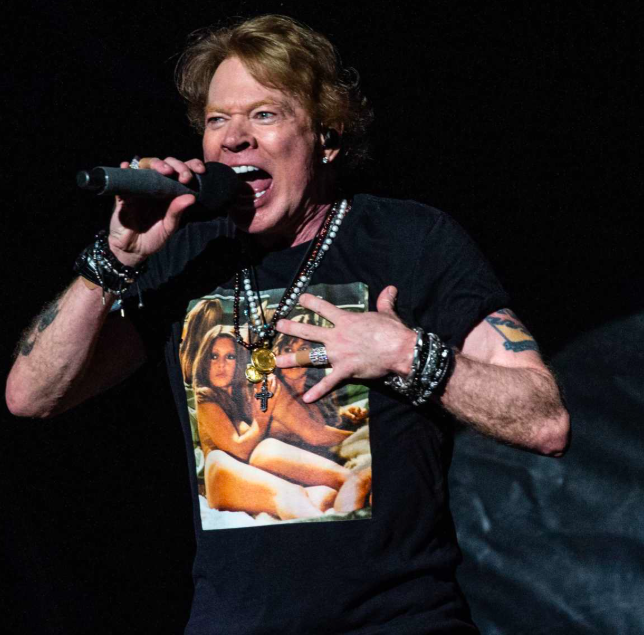
Axl Rose, born William Bruce Rose Jr. on February 6, 1962, is the lead singer and lyricist of Guns N’ Roses. He has a powerful voice spanning at least four octaves, often using a mixed voice to hit extremely high notes while maintaining a strong baritone core. His voice features a unique rasp and growl that add emotion and edge to songs like “Sweet Child o’ Mine” and “Welcome to the Jungle.” Vocal coaches and fans note his ability to switch from deep lows to piercing highs as rare and expressive.
Rose’s emotional delivery comes through his dramatic phrasing, dynamic shifts, and raw tone. Performances on the Use Your Illusiontour, including ballads like “November Rain,” showcase his ability to convey pain, love, and energy. His style stands out for its intensity and unpredictability, and crowds never knew what to expect from his stage moves or his voice. On stage, he is intensely charismatic, engaging the audience directly and commanding attention even when things go off script.
As a frontman, Rose helped define hard rock in the late 1980s. Guns N’ Roses’ debut Appetite for Destructionsold over 30 million copies worldwide, and the band has sold over 100 million records total. They have won major awards, including MTV Video Vanguard and American Music Awards. Their live tours, such as the 192 show Use Your Illusion(1991–93) and the 175 show Not in This Lifetimereunion (2016–19), grossed hundreds of millions of dollars and drew millions of fans. Axl is credited with blending hard rock, punk, blues, and metal, creating a sound that influenced many bands that followed.
Babyface
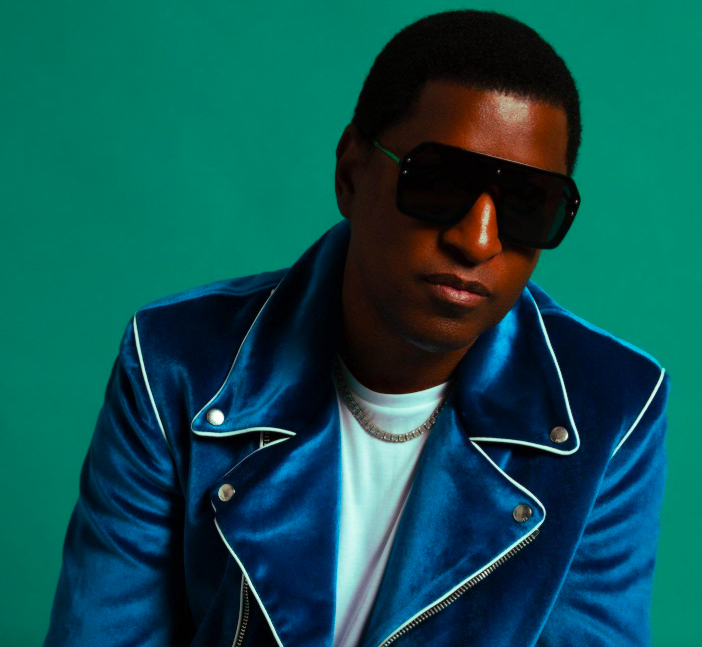
Kenneth “Babyface” Edmonds is known for his smooth, soft R&B tenor that spans roughly 2.7 octaves, from G₂ to D♯₅, and frequently uses falsetto with relaxed, soulful tone. His voice stands out for its gentle moan-like quality and precise phrasing, best heard on his own songs like “Whip Appeal” and “Can We Talk,” where falsetto and chest voice blend seamlessly. Emotion in his music is strong yet tender; tracks like “When Can I See You” and “Every Time I Close My Eyes” deliver heartfelt vulnerability through honest, clear vocal tone. His signature vocal trait includes background stacking techniques known as "curbing," creating warm harmonic layers behind lead vocals.
As a musician and writer-producer, Babyfacehas a unique style grounded in romantic R&B balladry. He co-founded LaFace Records, helping launch artists such as Usher, Toni Braxton, and TLC, and has written over 200 Top 10 R&B hits and more than 50 Top 10 pop hits, totaling over 500 million records sold. His own albums including Tender Lover(double platinum) and The Day(double platinum) produced major hits like “It’s No Crime,” “Whip Appeal,” and “Every Time I Close My Eyes.” He has won 12 Grammy Awards, including Producer of the Year, and has been a lasting presence in the industry with honors like BMI Icon and a Hollywood Walk of Fame star.
Babyface brings warmth and intimacy to live shows, often playing guitar or piano while delivering vocals with calm confidence rather than high drama. His focus is on connection and emotional clarity. He blends R&B, pop, gospel, funk, and adult contemporary throughout his career, co-writing hits such as Boyz II Men’s “End of the Road,” Madonna’s “Take a Bow,” and Toni Braxton’s “Breathe Again,” reflecting his range and adaptability. His influence continues into today through collaborations like the Grammy-nominated Girls Night Outproject featuring modern R&B stars, proving his enduring role in shaping the sound of contemporary music.
John Mellencamp
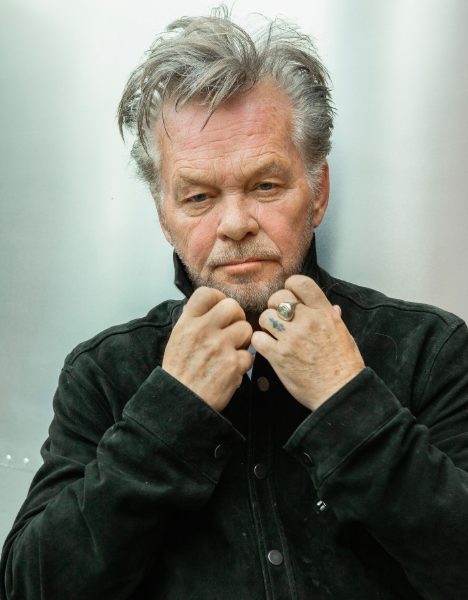
John Mellencampis known for his deep, raspy voice that blends a hoarse whisper with a barked shout. His singing covers about an octave and a half (roughly E₃ to B₄), giving him a raw, gritty sound often compared to Louis Armstrong’s growl, enhanced by decades of smoking. He uses steady phrasing and authentic tone over showy techniques, making songs like “Jack & Diane” and “Hurts So Good” feel personal and grounded. Mellencamp’s voice carries clear emotion, shifting from tender in “Small Town” to roaring in “Paper in Fire,” where his unfiltered delivery captures both vulnerability and fire.
His style combines rock, folk, blues, and country into what critics call heartland rock, a sound that highlights American small-town life and working-class themes. Mellencamp co-founded Farm Aid in 1985 and his socially minded lyrics in “Rain on the Scarecrow” and “Pink Houses” helped cement his role as a voice of the heartland. He has sold nearly 30 million albums, with major hits like “Hurts So Good” (No. 2, won a Grammy in 1983), “Jack & Diane” (No. 1, RIAA Song of the Century), “Pink Houses” (Top 10), and “Paper in Fire” (Top 10 Rock). He has earned one Grammy, multiple major songwriting and humanitarian honors, and was inducted into the Rock & Roll Hall of Fame in 2008.
Mellencamp’s live shows are relaxed but powerful. He engages the crowd with a “regular guy” presence, letting his heartfelt lyrics and voice lead rather than flashy theatrics. His band adds layers like accordion, fiddle, and gospel harmonies, especially on albums like The Lonesome Jubilee, creating a blend called “gypsy rock” that mixes folk, blues, and roots. Over time, his voice gained gravitas and raw character, showing growth from 1980s anthems to more introspective current work, but always rooted in honest storytelling and musical sincerity.
Janet Jackson
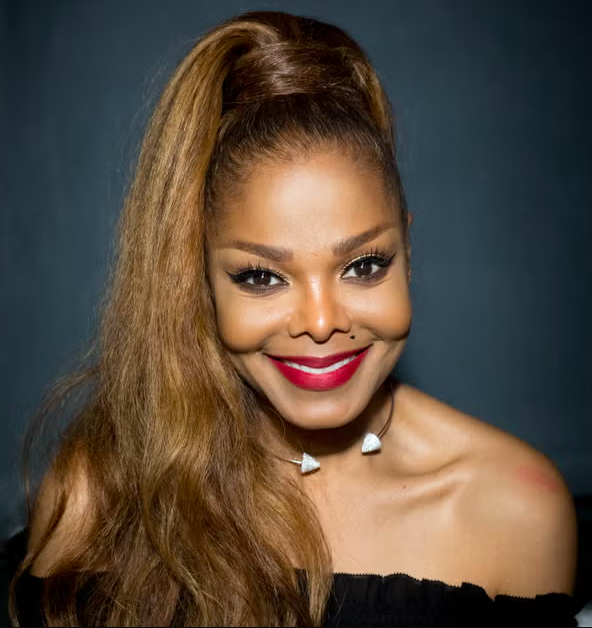
Janet Jackson’s voice is a warm mezzo soprano with a sweet, airy quality that fits her intimate, sultry style. Although critics note she does not have a powerhouse range like some contemporaries, she uses her tone effectively in studio recordings. She demonstrates surprising technical skill, reaching up to C6 in songs like "He Doesn’t Know I’m Alive," and often blends rhythmic phrasing and controlled breath to create a distinct emotional intimacy. Emotionally, Janet conveys feeling through subtle vocal shading and phrasing, especially in tracks like "Again," where she almost fights back tears on the final lines. Her delivery in "I Get Lonely" also shows vulnerability and soul that connect deeply with listeners.
Her originality lies in merging pop, R&B, dance, hip hop, funk, new jack swing, and even jazz and rock, which producers Jimmy Jam and Terry Lewis helped shape. Albums like Controland Rhythm Nation 1814bridged dance pop and socially conscious themes, setting trends in genre blending. With over 100 million records sold, five Grammys, ten number one hits, eleven Billboard Music Awards, and induction into the Rock & Roll Hall of Fame, she stands as a global icon whose style, tight choreography, strong visual themes, and socially aware lyrics changed how pop artists present themselves. Her live shows are known for high energy performances and precise dance routines, earning praise for consistency and charisma. Lastly, her genre versatility inspired later artists to tackle personal, political, and sensual themes in R&B and pop, influencing stars like Beyoncé and SZA.
Paul Mahern
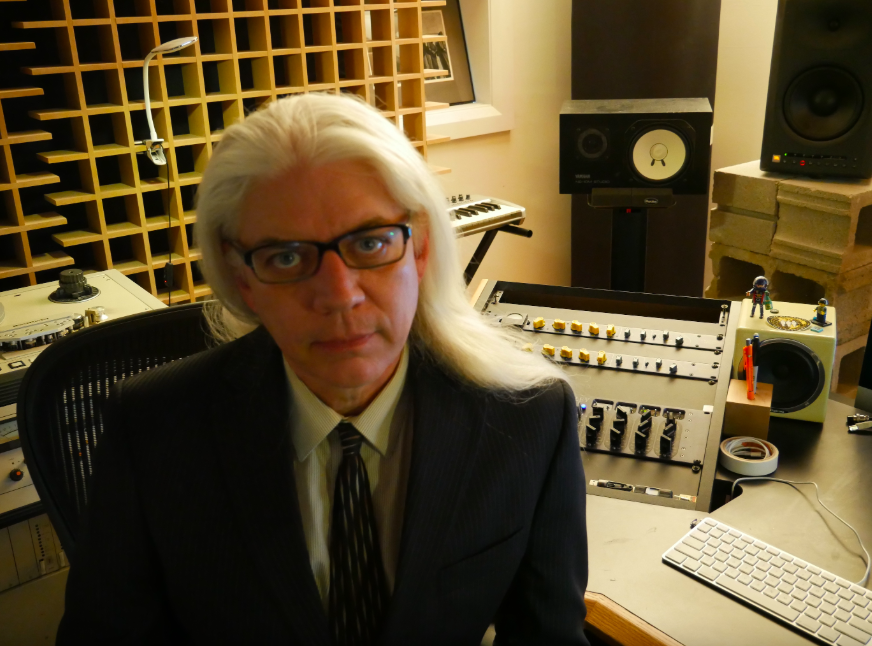
Paul Mahern’s vocal work is best known from his time as lead singer of the hardcore punk band Zero Boys in the early 1980s. His raw, energetic voice suited the fast-paced, forceful style of punk, delivering intense performances rather than melodic range or technical polish. While specific range or technical skills beyond punk delivery are not documented, his voice is unique for its authentic drive and presence on stage.
Emotion and originality in Mahern’s singing come from his commitment and energy, not subtlety. His live performances with Zero Boys were recognized for their intensity and connection to punk emotion. His distinctive style lies in blending punk rawness with later roles in production and teaching, showing versatility. In the studio and classroom, he carried that authenticity into his audio engineering work and teaching punk history.
Mahern’s legacy extends beyond vocal performance: he produced or engineered eleven gold or platinum albums, including The Fray’s How to Save a Life(double platinum, Grammy-nominated), and worked closely with John Mellencamp, Neil Young, Willie Nelson, Iggy Pop, among others. His influence shaped major recording projects and he helped preserve analog audio as an archivist and educator. While he never achieved commercial success as a pop singer, his work behind the console earned him awards and certification and marked a solid industry impact, though not reflected in traditional charts or streaming figures.
Jeremy Camp
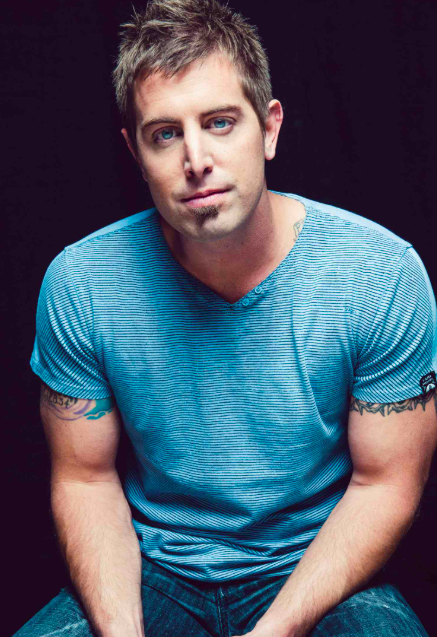
Jeremy Campdisplays a rich baritone to tenor range spanning roughly F2 to G5 (about 3.2 octaves), enabling both deep, resonant lows and powerful, soaring highs. His vocal style blends chest and mixed registers smoothly, lending both warmth and strength. Emotion plays a central role as he uses clear articulation and controlled breath support to bring heartfelt intensity to songs like "I Still Believe" and "Walk by Faith," which are often cited as his most emotionally expressive performances. His delivery feels grounded in personal experience, making his music particularly relatable and powerful within the Christian rock genre.
Camp’s originality lies in his honest, direct lyrical style and his signature combination of rock-tinged worship with personal storytelling. His voice stands out for its authenticity. He is not overly technical but delivers his music with genuine conviction rooted in faith and life trials. Over his career, he has sold over 6 million albums, released 46 No. 1 singles, and earned five GMA Dove Awards, a Grammy nomination, three American Music Award nominations, and four ASCAP Songwriter of the Year honors. Billboard named him the number two Christian artist of the decade. On stage, Camp brings sincere energy, often sharing personal stories with audiences. Though firmly rooted in contemporary Christian music, he blends pop rock elements and worship-style ballads, showing a consistent but evolving sound that has influenced many within the Christian music industry.
Steve Wariner
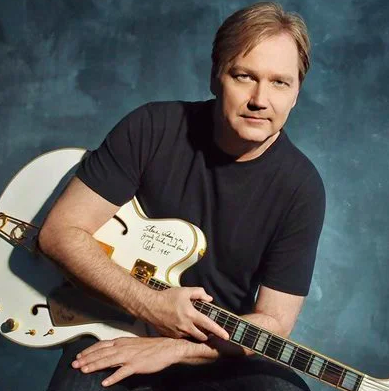
Steve Warinerhas a warm, expressive tenor voice that blends smoothness with a gentle country twang. Critics describe his voice as creamy and angelic, supported by expert guitar playing that complements his vocals. He uses controlled articulation and subtle vibrato, bringing deep emotion to ballads like "Holes in the Floor of Heaven" and "Drivin’ and Cryin’" which are praised for their emotional sincerity. In the song "I Got Dreams," he adds scat-style singing over guitar solos, showing his musical personality and unique style.
Wariner is known for blending country, pop, and jazz-influenced guitar work, shaped by legends like Chet Atkins and Jerry Reed. He has more than 50 charted singles, with 14 reaching No. 1 including "All Roads Lead to You," and he saw crossover success with "Two Teardrops" entering the Billboard Hot 100. He has won multiple CMA and ACM Song of the Year awards and earned four Grammy Awards, including for instrumental performances. He also holds several BMI Million-Air awards for his widely played songs. On stage, he combines masterful fingerstyle guitar with emotional storytelling, gaining respect for both his musicianship and charisma. His work spans country, bluegrass, pop, jazz, and instrumental music, making him a versatile figure who has influenced many singer-songwriters and guitarists in the industry.
Jackie Jackson
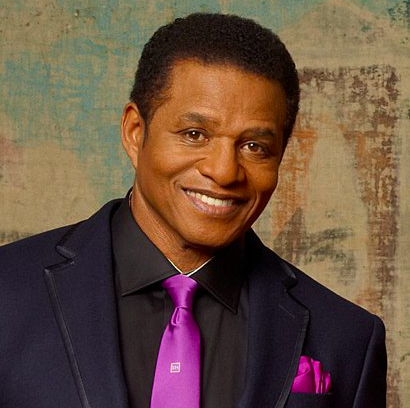
Jackie Jacksonpossesses a high tenor voice, the lightest and highest among his brothers, with a smooth, soulful tone that added rich harmony to the Jackson 5’s sound. He sang brief leads on classics like "I Want You Back" and "ABC" and shifted into a lower tenor style during the group’s later Epic years. Emotionally, he conveyed warmth and sincerity through his vocals, particularly on songs like "Enjoy Yourself" where he shared lead vocals with Michael, and on solo moments such as "Wait," which displayed genuine emotional depth. In addition to his vocals, he contributed to songwriting and guitar playing, co-writing tracks like "Can You Feel It" and "Torture," showing his musical skills and creative voice.
As a founding member and elder brother, Jackie helped shape the Jackson 5’s mix of pop, soul, and R&B, contributing to their record of having their first four singles reach number one on the Billboard Hot 100. This achievement helped break racial barriers in popular music. His songwriting work on multiple albums with Epic and his lead roles in tracks like "Enjoy Yourself" and "Wait" reflect his creative growth in the group. While not as prominent as Michael in solo fame, Jackie was inducted into the Rock & Roll Hall of Fame with the group in 1997. On stage, he brought smooth vocals, steady charisma, and leadership that helped drive the group’s performance energy. His career includes performing, songwriting, producing, and mentoring, reflecting his versatility across pop, soul, R&B, and funk, and marking him as a key figure in the group’s lasting influence.
Marlon Jackson
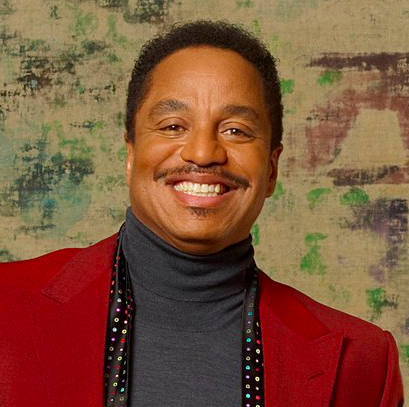
Marlon Jacksonsings with a smooth tenor that sometimes reaches falsetto, giving his tone a light and soulful quality. Early in the Jackson 5, he performed background harmonies and played percussion like conga and tambourine. His expressive voice can be heard moving into lead roles on tracks such as "Feelin’ Alright," "Mama I Gotta Brand New Thing," and "Strength of a Man," where he displays clear phrasing and emotional nuance. On later Jacksons albums like Triumphand Victory, he sang duet parts in songs like "Give It Up" and had a solo lead on "Body," showing his musical growth. He released the solo album Baby Tonightin 1987, which reached number 22 on the US R&B chart and featured the single "Don’t Go" that peaked at number 2 on the R&B chart.
Marlon’s originality comes from his harmony skills, light tenor voice, and dance-driven stage presence that added youthful energy to the group’s performances. He co-wrote songs like "Never Can Say Goodbye," "The Love You Save," "Maybe Tomorrow," "Strength of a Man," and "Body," showing his creative input in the group’s music. As a founding member, he helped the Jackson 5 earn their first four number one singles, helping to break racial barriers in mainstream pop music and shaping early 1970s pop-soul. On stage, he was known for steady charisma, energetic moves, and strong group choreography. While his solo success was modest, he remained active in music through songwriting, producing, reunion tours with the Jacksons, and philanthropy, reflecting versatility across soul, pop, R&B, and funk.
June Pursell
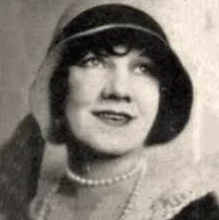
June Pursellhad a bright soprano voice with a clear, melodic tone that stood out on radio in the late 1920s and early 1930s. She was often called "the girl with the ballad voice" and was compared to Nora Bayes for her smooth delivery and strong pitch control. Between 1925 and 1932, she recorded for Victor and Brunswick and sang with popular dance bands led by Earl Burtnett, Jack Denny, and Roy Fox. These recordings showed her technical skill in staying in tune, adapting to different band styles, and adding personal color by playing the ukulele. She also appeared in early sound films like The Hollywood Revue(1929) and Viennese Nights(1930), delivering performances marked by calm clarity and heartfelt expression.
Pursell’s distinctive style came from her clean soprano tone, gentle vibrato, and ease working both solo and with orchestras, helping popularize female-led ballads on radio. She later wrote songs in 1956, such as "What Good Am I Without You" and "I Couldn’t Love You More If I Tried," showing her lasting musical influence. Her early work as "The KNX Girl" helped shape the 1920s radio music scene. After 1934, she largely disappeared from public view, and no records show whether she passed away. It remains unknown if she is still alive or what she did afterward.
Kevon Edmonds

Kevon Edmondshas a smooth, bright tenor voice known for its warm tone and clear delivery. He worked extensively in R&B with After 7 and then found his solo voice with the 1999 album 24/7, where he described stepping into the studio and singing it the only way that he could sing it, which made it his. His voice carries strong technical skill, with controlled vibrato, consistent pitch, and a meaningful tone that connects with listeners. Emotion is central to his style; songs like "Ready or Not" and the solo title track "24/7" showcase earnest delivery and heartfelt nuance. His 2023 a cappella performance of “Ready or Not” received praise for still capturing that same vibrato and high tenor feel.
Edmonds stands out for his genuine, soulful style and his focus on tone over vocal tricks. As lead singer of After 7, he earned multi-platinum and gold albums with hits like "Ready or Not" and "Can’t Stop," both topping the R&B charts and reaching the pop top ten. His solo work earned gold status and a top-ten Hot 100 hit. Live, he shares background on song meaning, giving performances that combine warmth, sincerity, and storytelling. While firmly rooted in R&B, he blends classic soul and pop, working with top producers and mentoring the next generation through his nephew’s involvement in group reunions. Currently, Edmonds remains active in music, living in Nashville and participating in performances and occasional new releases. He is alive and continues sharing his voice with fans, though recent major releases are limited.
Paul Dresser
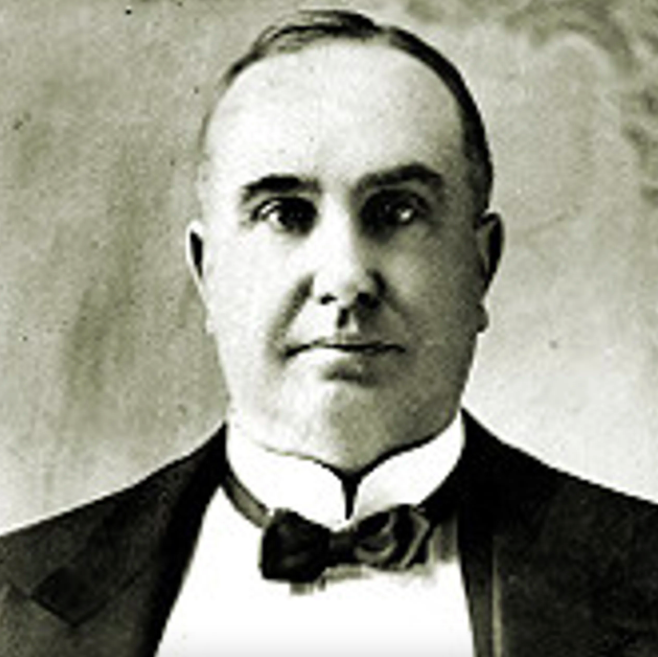
Paul Dresserwas a tenor singer known for a warm, clear tone suited to sentimental ballads of the late 1800s. He had no formal musical training but performed in minstrel shows and vaudeville before becoming a prolific songwriter, composing over 150 songs between 1886 and 1906. His most famous work, On the Banks of the Wabash, Far Away(1897), showcased his melodic skill and emotional warmth. The song became the best-selling American sheet music of its time and was praised for its expressive, nostalgic feel, capturing the hearts of millions. Dresser’s originality lay in blending heartfelt lyrics about home and family with accessible melodies, making him a central figure in Tin Pan Alley and earning comparisons to Stephen Foster.
He significantly impacted American music by crafting deeply sentimental parlor songs with wide cross-class appeal. His work shaped public taste in the 1890s and led to the official adoption of his signature song as Indiana’s state song in 1913. He was inducted into the Songwriters Hall of Fame in 1970. Though not known for live concerts in the modern sense, his stage work in traveling shows and vaudeville was noted for its humor and dramatic presentation; these performances helped bring his songs to broad audiences. Dresser died on January 30, 1906, in New York City from a brain hemorrhage, compounded by health and financial troubles.
Eric Troyer
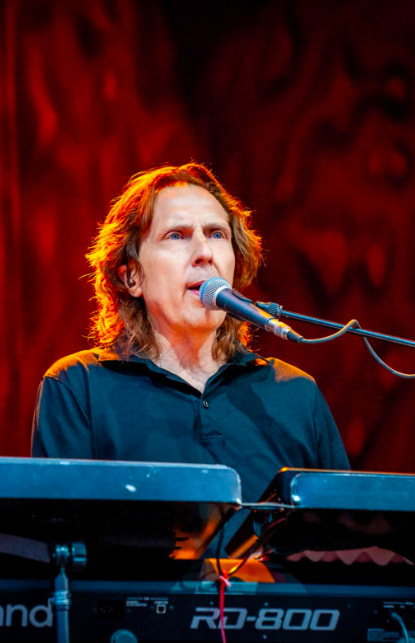
Eric Troyerwas a versatile tenor voice and keyboardist known for his work with ELO Part II and The Orchestra. His voice carried warmth and clarity, well suited to rock and orchestral pop settings. Troyer was both a technical and creative vocalist, contributing to songwriting and production. He co-wrote many songs on albums like Electric Light Orchestra Part Two, Moment of Truth, and No Rewind. As a session musician, he lent backing vocals and keyboards to recordings by John Lennon, Celine Dion, Bonnie Tyler, and others. His solo single “Mirage” reached No 92 on the Billboard Hot 100 and No 43 on the Adult Contemporary chart in 1980. Emotion came through in his earnest delivery, especially on ballads he performed. His tone and phrasing brought sincerity to both original releases and live renditions.
Troyer’s originality lay in blending classic orchestral rock with contemporary pop songwriting, rooted in both melody and arrangement. As a founding member of ELO Part II, he played a key role in carrying forward the legacy of orchestral rock into the 1990s and beyond, helping shape the group's sound and repertoire. His solo and session credits include music for Footloose, Flashdance, Chicago, Streets of Fire, and Celine Dionalbums, showing range across rock, pop, and soundtrack work. His live performances with The Orchestra were noted for a friendly stage presence and keyboard solos, keeping the classic ELO spirit alive. Troyer passed away on May 11, 2025, at age 44. According to reports, he died suddenly at his parents’ home, but no specific cause of death was publicly disclosed.
Amanda Overmyer
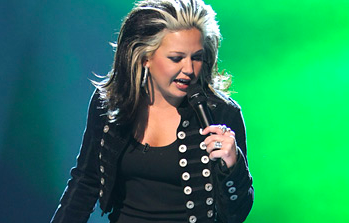
Amanda Overmyerhas a raw, gritty rock voice rooted in Southern and blues rock. Her powerful, raspy tenor features strong vibrato and soulful grit, earning her comparisons to Janis Joplin. She combines singing with guitar playing, showing technical control of tone and sustained phrasing. Her vocal range covers mid to upper tenor, delivering both strength and subtlety in performances.
Emotion is central to her style. On American Idol(Season 7, 2008), her renditions of “Baby, Please Don’t Go” and “Carry On Wayward Son” carried raw feeling through intense delivery and dynamic shifts. Her honesty and rough-edged tone make listeners feel the lyrics. As a singer-songwriter, she stands out for her unfiltered rock energy and classic influences like Lynyrd Skynyrd and Led Zeppelin.
While she did not chart major national hits, Amanda built a solid regional fanbase after American Idol. Her 2008 album Solidifyand song “Play On” received attention in the Midwest, and she headlined events like Women of Rock at the Whisky a Go Go. Her stage presence combines gritty rock power, guitar flair, and storytelling, giving her live shows strong energy. Firmly rooted in Southern and blues rock, she blends gritty vocals with heartfelt emotion and occasional acoustic moments. She continues performing regionally and working on new music since 2013.
Lisa Germano

Lisa Germanois known for her soft, intimate soprano with a fragile yet expressive tone. Her range spans from B2 up to E♭3 and beyond into higher registers, and she is a skilled violinist, guitarist, pianist, and multi-instrumentalist. She plays and arranges much of her own music, often blending violin, piano, guitar, and unusual sound textures. Her voice often floats as a whisper or lilting melody over dream-pop and folk-rock instrumentation, crafting an almost otherworldly atmosphere. The haunting vocal style on songs like “Haunted,” “Golden Cities,” “Ruminants,” and “No Elephants” showcases her emotional depth and musical precision through trembling vibrato and intimate phrasing.
Germano stands out for her unique blend of folk, classical, dream-pop, and ambient textures, often set against sparse arrangements that highlight her haunting vocals and vivid lyricism. Her albums Geek the Girl(1994) and Excerpts From a Love Circus(1996) are critically acclaimed and seen as groundbreaking in alternative music. She has influenced artists in the indie and dream-pop scenes with her emotionally raw approach and experimental production. Though she has not scored mainstream hits, she has earned a devoted following through thirteen studio albums, critical acclaim, and contributions as a session musician with acts like John Mellencamp, Simple Minds, Indigo Girls, and Michael Brook. On stage, she performs with quiet intensity, often on piano or violin, creating immersive but understated live experiences. Germano’s work crosses genres including alternative rock, folk, dream-pop, ambient, and classical, showing innovation in blending acoustic instruments with electronic and found sound to shape deeply personal musical landscapes.
David Lee Roth
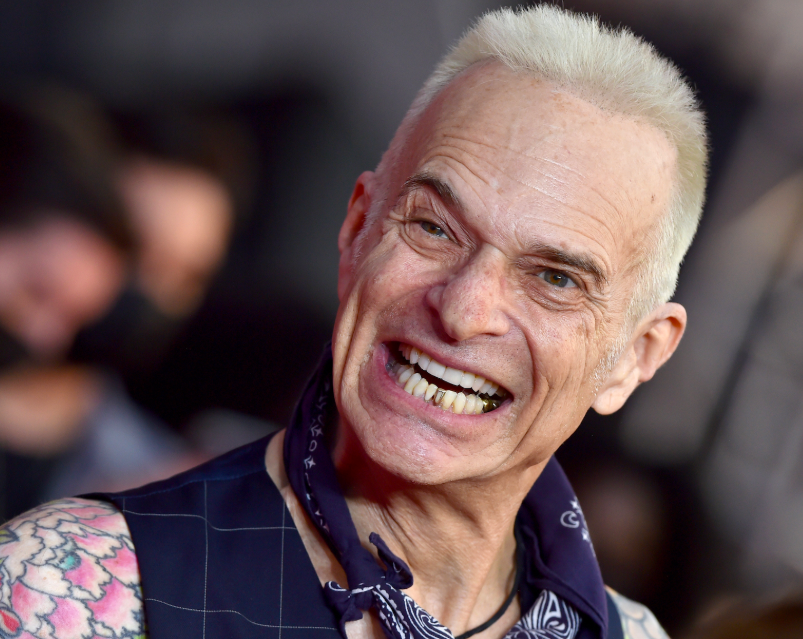
David Lee Rothhas a powerful, versatile tenor voice with a reported range spanning at least three octaves. Some sources expand this to over five, covering deep lows (E1/B1) up to high A5 and even falsetto into the sixth octave. His style mixes gritty rock shouts, melodic mid-range, playful falsetto, melismatic flair, and dramatic vibrato. His technical skills show in precise high-note hits, sustained screams, agile phrasing, and the ability to sing two tones at once (overtone screams) live. Emotionally, Roth delivers excitement and swagger. Performances of “Jump,” “Running with the Devil,” and “On Fire” capture his intense energy, expressive dynamics, and crowd-engaging phrasing.
Roth’s originality blends high-energy rock vocals with humor, theatricalism, and a distinct tonal personality shaped by blues and glam influences. With Van Halen, he helped define late 70s and 80s hard rock, selling over 100 million records globally. His solo hits like “California Girls” (No. 3 on Billboard Hot 100) and “Just Like Paradise” (No. 6 on Billboard Hot 100 and No. 1 on the Rock chart) achieved Gold and Platinum status. He was inducted into the Rock & Roll Hall of Fame with Van Halen in 2007. On stage, Roth is famous for flamboyant costumes, acrobatic moves, audience banter, martial-arts kicks, and impossible high falsetto screams. He crossed genres from hard rock and glam metal to pop rock and is credited with setting a high standard for theatrical hard rock frontmen, influencing many performers to follow.
John Hiatt
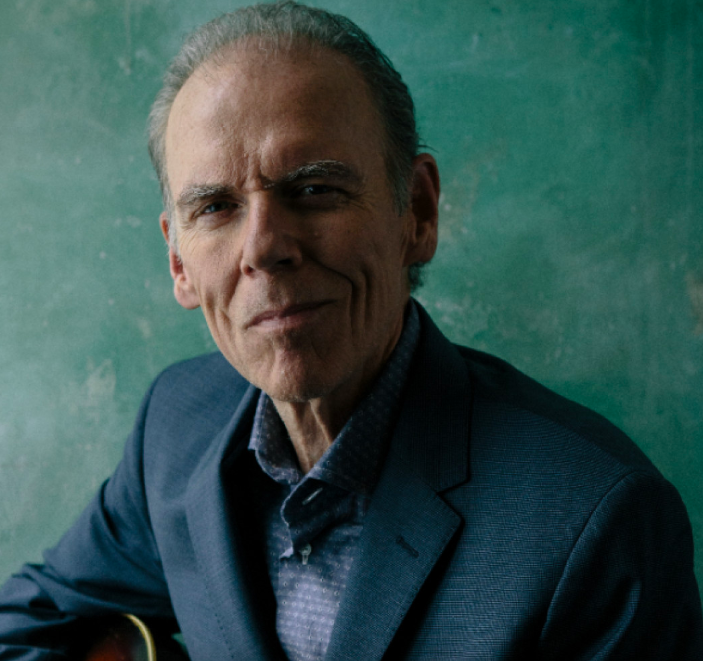
John Hiatt's voice is a warm, slightly gritty tenor that carries a rough “froggy” texture, similar to a more relaxed Dock Boggs or less nasal Dylan. He shows strong technical skill with controlled phrasing, expressive vibrato, and the ability to shift smoothly between registers. A notable example is his 2000 album Crossing Muddy Waters, where he navigates deep blues grooves with rich tone, even after throat surgery restored lost range. Emotion comes through vividly in songs like “Have a Little Faith in Me,” “Slow Turning,” and “Mr. Stanley,” where his characteristic growl, vocal stutter, and heartfelt delivery draw listeners into his stories.
Hiatt stands out for blending rock, blues, country, folk, and Americana into a distinct roots rock style. His sparse yet rich arrangements and vivid lyrics have earned him respect as a "musician's musician," with songs covered by Bonnie Raitt, Eric Clapton, Bob Dylan, B.B. King, and many others. Over his long career, he has released over 22 albums, earned nine Grammy nominations, won awards like the Americana Music Association lifetime achievement in songwriting (2008), Nashville Music Awards songwriter/artist of the year (2000), and the BMI Troubadour Award (2019). On stage, he performs with quiet charisma, sharing stories, switching effortlessly between guitar, piano, harmonica, and even whistling, offering deeply engaging solo and duo sets with artists like Lyle Lovett. His work crosses genres such as rock, blues, folk, country, and Americana, and his honest, genre blending songwriting and raw delivery have influenced a wide range of artists and shaped modern American roots music.
Adam Lambert
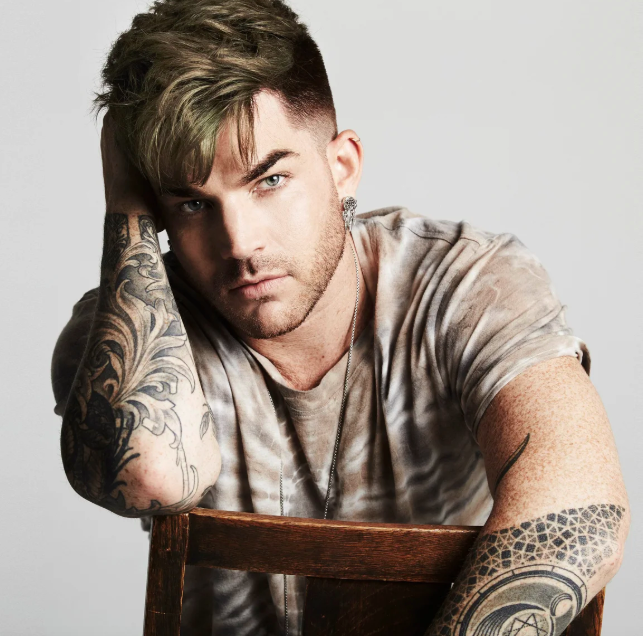
Adam Lambertis a full-lyric tenor with a vocal range spanning approximately B2 to B5, covering about three octaves and six semitones. His voice is known for its powerful belting, expert mix, bright falsetto, and precise pitch control. Technically, he delivers dramatic vibrato, flexible melisma, and sustained high-energy notes, often singing two tones at once (overtone screams) in live settings. Emotionally, Lambert excels in both energetic rock anthems like "Whataya Want from Me" and "Ghost Town" and heartfelt ballads like "Better Than I Know Myself," using dynamic shifts, tonal nuance, and theatrical phrasing to convey depth.
Lambert’s originality lies in his blend of theatrical glam-rock with mainstream pop, marked by flamboyant style, edgy textures, and fearless expression. As one of the first openly gay mainstream artists, he broke barriers. His second album Trespassingdebuted at No. 1 on Billboard 200, making him the first openly gay singer to top that chart. He has sold over 3 million albums and 5 million singles, earning a Grammy nomination and multiple chart-topping hits. On stage, Lambert brings theatrical energy, dynamic costumes, and audience engagement. He is the frontman for Queen + Adam Lambert, leading sold-out global tours praised for his charisma and vocal prowess. His genres range from pop, rock, and electronic to theatrical musicals, including his upcoming role as Judas in Jesus Christ Superstarat the Hollywood Bowl. Lambert continues to innovate with bold artistic expression, unapologetic identity, and both solo and collaborative performances.
Izzy Stradlin
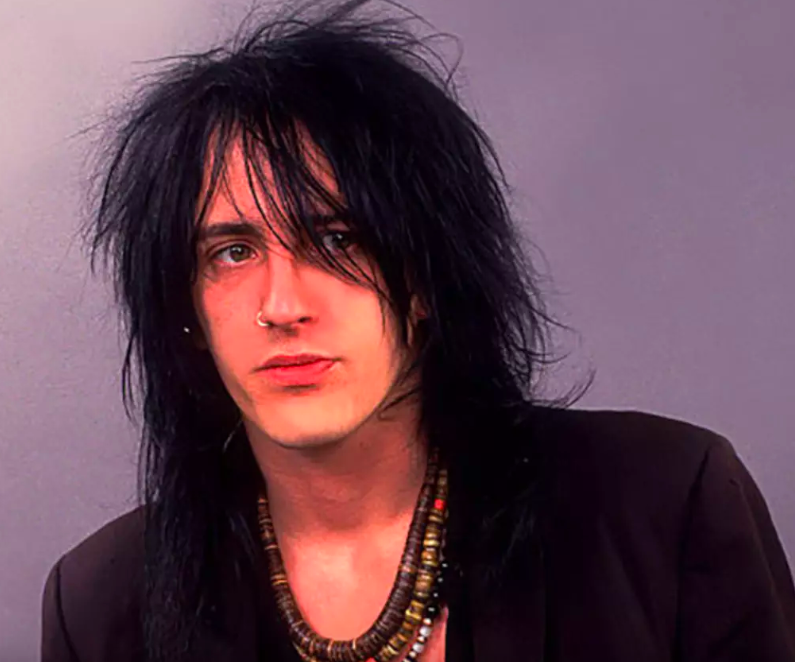
Izzy Stradlin’s voice is a casual, understated tenor with a relaxed, almost nasal tone and a subtle bluesy rasp. While not technically flashy, his phrasing is natural and expressive, well suited for rhythm-driven rock. Emotion comes through in songs like “14 Years” and “Double Talkin’ Jive,” where his raw delivery, conversational style, and lyrical clarity carry a sense of honesty and direct storytelling. He rarely takes vocal center stage, but when he does, as on those tracks, his vocals stand out for their plain-spoken feel and understated strength.
Stradlin’s originality lies in his minimalist guitar style and songwriting that blend blues, punk, country, and classic rock. He co-wrote many emblematic Guns N’ Roses tracks, including “Sweet Child O’ Mine,” “Paradise City,” “Patience,” and “Mr. Brownstone,” often shaping the band's sound with tight rhythm patterns and melodic accents. He helped define hard rock in the late 1980s, and his influence is honored by Slash, Duff, and critics who credit his hooks and understated guitar textures with the band's core appeal. With Guns N’ Roses, he sold over 28 million copies of Appetite for Destructionand millions more of Use Your Illusion I & II. He was inducted into the Rock & Roll Hall of Fame in 2012.
Live, Izzy performed with relaxed confidence, providing sturdy rhythm guitar and occasional lead lines while keeping stage energy grounded. His subtle groove complemented Slash’s showmanship. After leaving the band in 1991, he formed Izzy Stradlinand the Ju Ju Hounds, releasing a bluesy, rock-driven debut that Rolling Stonepraised as a “ragged, blues-drenched, and thoroughly winning solo debut.” His solo work spans punk-tinged rock, country-blues, reggae, and stripped-down rock, emphasizing simple structures and raw emotion, highlighting his versatility and continuing influence on guitar-driven music.
Rich Mullins
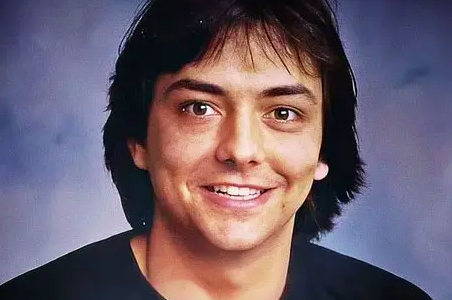
Rich Mullinssang in a natural, heartfelt tenor with a warm, earnest tone. His vocal range spans approximately G2 to G4, reflecting a mid-range that fit well with his folk-rock style. Though not technically flashy, his controlled phrasing and gentle vibrato brought sincerity and emotional clarity to worship songs like “Awesome God”and “Sometimes by Step.”These performances show how he expressed deep faith, doubt, and longing with a quiet strength that resonated with listeners.
Mullins stood out for blending folk, gospel, and rock with liturgical themes and poetic lyricism, often playing piano, guitar, and hammered dulcimer. His albums, including Winds of Heaven, Stuff of Earth(1988), The World As Best As I Remember It, Volume One(1991), and A Liturgy, a Legacy, & a Ragamuffin Band(1993), are highly ranked in Christian music history and have inspired artists like Amy Grant, Michael W. Smith, and Caedmon’s Call. Though he did not achieve mainstream chart success, Mullins won multiple Dove Awards and influenced contemporary worship with songs such as “Sing Your Praise to the Lord,” “Hold Me Jesus,” and “My Deliverer.” On stage, he performed with humility and storytelling, often sharing personal reflections and using minimalist arrangements to draw attention to song messages. Mullins died on September 19, 1997, when he was ejected from his Jeep and struck by a semi-truck. He was 41.
Connie Smith
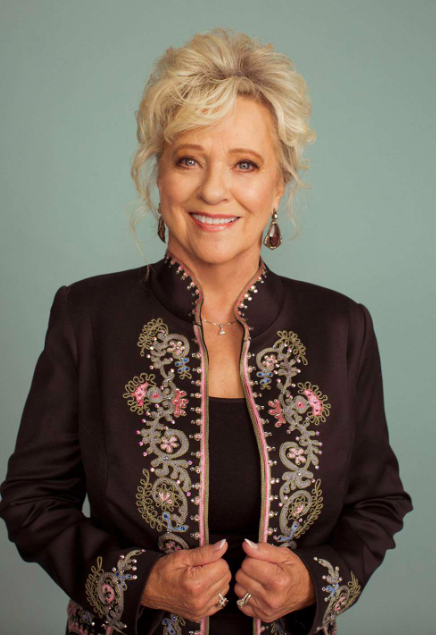
Connie Smithis known for her rich contralto voice, often compared to Patsy Cline’s, with a "cool, authoritative ease" and "pillar-of-fire" delivery marked by emotional depth and precise phrasing. Her technical skill shines in staying in tune while conveying emotion through subtle vibrato and articulation. Songs like “Once a Day,” “Ribbon of Darkness,” and “Ain’t Had No Lovin’” highlight her ability to convey heartbreak and longing in a powerful yet controlled way.
Smith’s originality stems from blending traditional country with the polished Nashville Sound, using steel guitar accents while maintaining a classic twang. She became a role model for female country singers and influenced artists like Dolly Parton, Merle Haggard, and Trisha Yearwood. Her debut, “Once a Day,” held the No. 1 spot on Billboard’s Country chart for eight weeks, making it the first debut single by a female country artist to top the chart. She followed with 19 more Top-10 hits through the 1960s. She has earned 11 Grammy nominations, multiple CMA and ACM nominations, and was inducted into the Country Music Hall of Fame in 2012. Rolling Stone named her one of the 100 greatest country artists, and CMT listed her among the top 10 greatest women in country music. On stage, Smith conveys warmth and sincerity, often sharing gospel songs and heartfelt ballads at the Grand Ole Opry with understated elegance. Her style spans country, Nashville Sound, and gospel, and she remains active, releasing her 2024 album Love, Prison, Wisdom and Heartaches, which received strong praise for preserving her powerful, timeless voice.
Tiara Thomas
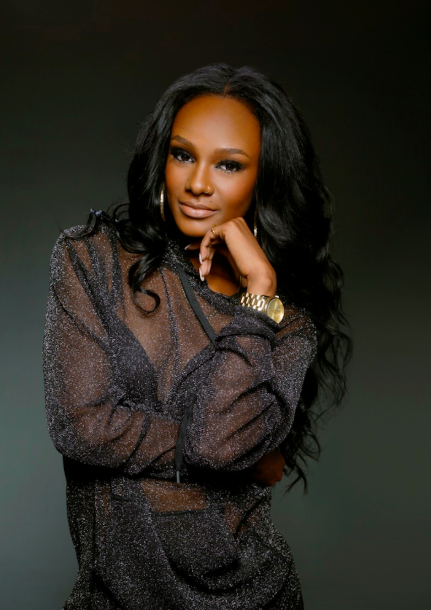
Tiara Thomashas a flexible, warm R&B soprano with a clear tone rooted in soul and hip hop. She writes, sings, plays guitar, raps, and coproduces, showing strong command over melody, rhythm, and tone. Her technical skills shine in her smooth vocal runs, controlled dynamics, and confident pitch, especially on tracks like “Bad” with Wale, where her sultry hook helped the song reach No. 21 on the Billboard Hot 100 and earn triple platinum certification. On acoustic tunes like “I Need,” she conveys raw feeling through gentle delivery and honest phrasing that highlight her emotional clarity.
Thomas stands out for blending R&B, pop, hip hop, and acoustic elements, developing a sound that stays soulful but stretches stylistically. Her songwriting earned her a Grammy for Song of the Year (“I Can't Breathe”) and an Oscar for Best Original Song (“Fight for You”), showing industry respect and cultural impact. Though she hasn’t released a major-label album, her EP Dear Sallie Maeand singles like “Play On” and “One Night” built a steady fanbase in the Midwest. On stage, she performs with relaxed honesty, drawing audiences with soulful vocals, guitar presence, and heartfelt interaction. Through her genre-blending sound, award-winning songwriting, and authentic performance style, Tiara Thomascontinues to shape modern R&B and inspire fellow artists.
Keke Wyatt

Keke Wyattis a full-lyric soprano with a reported vocal range from B♭2 to F6, showcasing impressive agility and gifted control in both low and high registers. Her voice stands out for its warm, rich tone, precise pitch, and dynamic strength, capable of smooth satin vocals and powerful belts. Her debut album Soul Sista(2001) went gold and reached No. 33 on the Billboard 200, driven by hits like “Nothing in This World” (No. 27 on the Hot 100, No. 4 R&B) and the duet “My First Love,” showcasing her emotional intensity through vocal runs, controlled vibrato, and heartfelt phrasing.
Wyatt’s emotional expressiveness shines in songs like “Water Into Wine” and her tender acoustic performances, where she blends vulnerability with strength. She blends R&B, gospel, soul, and contemporary pop, making her style distinctive. Her collaborations with Avant, Ruben Studdard, Blackalicious, Faith Evans, and Kelly Price highlight her versatility. Though she never matched mainstream pop chart dominance after her debut, Wyatt secured R&B chart success, reality TV exposure on R&B Divas: Atlanta, and continued influence as a gospel and soul powerhouse. On stage, she delivers soulful, emotionally driven performances, commanding attention with strong vocals and heartfelt delivery. Her work spans R&B, soul, gospel, and occasional country or acoustic covers, showing ongoing evolution and commitment to authentic musical expression.
Jump to
Shannon Hoon
Michael Jackson
Axl Rose
Babyface
John Mellencamp
Janet Jackson
Paul Mahern
Jeremy Camp
Steve Wariner
Jackie Jackson
Marlon Jackson
June Pursell
Kevon Edmonds
Paul Dresser
Eric Troyer
Amanda Overmyer
Lisa Germano
David Lee Roth
John Hiatt
Adam Lambert
Izzy Stradlin
Rich Mullins
Connie Smith
Tiara Thomas
Keke Wyatt
Latest Articles
Popular Articles