Dizzy Trout Career And Early Life: The Tigers’ Wartime Ace
Discover the story of Dizzy Trout, Detroit Tigers’ pitching star of the 1940s, from his tough early life to his legendary career and 1945 World Series victory.
Aug 16, 20251.5K Shares173.2K Views
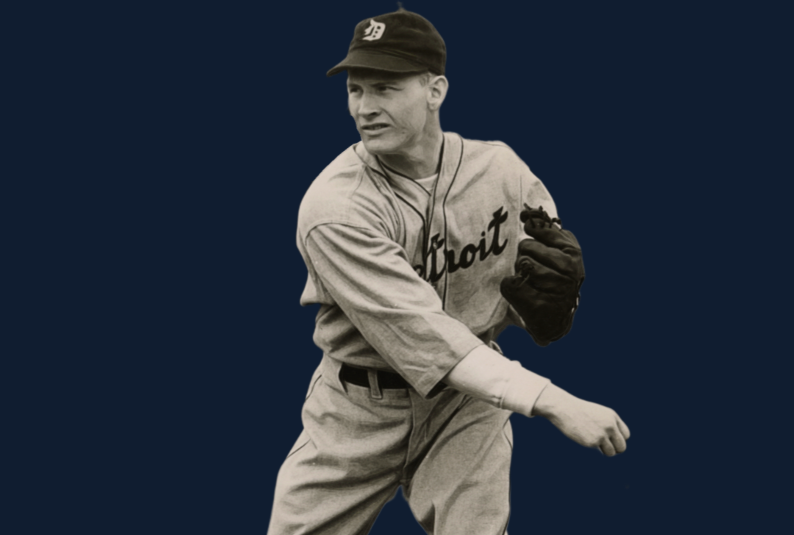
Dizzy Troutdid just that, becoming one of the top pitchers in the American League from 1943 to 1946, winning 82 games in that span. He led the league in wins in 1943 and had an amazing ERA in 1944, helping the Detroit Tigers win the World Series in 1945. Over his 15-year career, he notched 170 wins, struck out more than 1,200 batters, and played for three major league teams.
Early Life
Paul Howard “Dizzy” Trout was born on June 29, 1915, in Sandcut, Indiana, a tiny place he said “can be in two different spots overnight if the wind blows.” He was the youngest of four children born to Virgil and Emma Trout; Virgil worked as a coal miner and tenant farmer. Dizzy moved often—attending twelve different schools—because rent was due at the start of each month. When he was fifteen, his mother passed away, and after his father remarried, Dizzy did not get along with his stepmother. He left home and sometimes slept with relatives or even under bridges. He said he never saw a real baseball until he was fourteen; before that, he played with rolled-up rags or walnuts and practiced throwing rocks at glass insulators on fence posts.
Career
Paul Howard “Dizzy” Trout was a right-handed pitcher who played 15 seasons in the Major Leagues from 1939 to 1952, and briefly again in 1957, mainly with the Detroit Tigers, but also with the Boston Red Sox and Baltimore Orioles.
Trout struggled early in his career, ending his first four seasons (1939–1942) with 33 wins and 44 losses. But during the World War II years, he became one of the top pitchers in the American League: from 1943 to 1946, he won 82 games and posted a strong record of 82–54.
In 1943, Dizzy led the league in wins with 20. The next year, 1944, was his best season: he won 27 games, had an outstanding 2.12 ERA, and topped the league in complete games (33), shutouts (7), and innings pitched (352⅓). He was a close second in strikeouts and MVP voting that year. In the 1945 World Series, he played a big role by winning Game 4 with a strong five-hitter, helping the Tigers win the championship. In that Series, he had an ERA of 0.66.
As his career moved into the late 1940s, his performance dipped. Still, he hit 20 home runs as a pitcher, tying him among the top power-hitting pitchers of all time. In 1949, he hit a memorable ninth-inning grand slam.
Trout wrapped up his big league days with a total record of 170 wins and 161 losses, an ERA around 3.23–3.25, and 1,256 strikeouts. His career also included two All-Star selections (1944, 1947), a league-leading ERA in 1944, and being part of the 1945 World Series championship team. After retirement, Trout worked as a radio and TV broadcaster for the Tigers and stayed connected to the game until his passing in 1972.
Jump to
Latest Articles
Popular Articles