Regina Spektor Net Worth: Music, Tours, And Royalties
A clear breakdown of Regina Spektor Net Worth, covering how she earns from albums, live tours, songwriting credits, and media licensing.
Jan 20, 202625.6K Shares342.5K Views
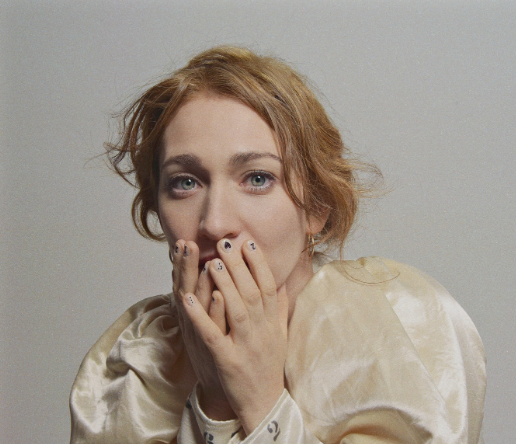
Regina Spektor was born Regina Ilyinichna Spektoron February 18, 1980 in Moscow, then part of the Soviet Union. She grew up in a Russian-Jewish family with a strong musical background. Her father, Ilya Spektor, was a photographer and amateur violinist, and her mother, Bella Spektor, was a music professor in Russia (later a schoolteacher in New York).
The family home was steeped in music: Regina studied classical piano from early childhood and was exposed to both classical and folk music as well as Western pop and rock records (her father often played bootleg tapes at home).
Spektor began formal piano lessons around age six. By that time, she was practicing diligently on the family’s piano and had become a serious student of classical music.
Her early influences included the great classical composers (often through home recordings) and the popular songs her family listened to, reflecting a mix of Russian musical traditions and Western tunes. This dual exposure helped shape her musical foundation before leaving Russia.
In 1989, at age nine, Regina Spektor and her family emigrated to the United States to escape anti-Jewish discrimination in the Soviet Union. They settled in the Bronx, New York, arriving with very little money and Regina speaking no English.
In New York the Spektors continued Regina’s music training: her father arranged for her to study piano with Sonia Vargas, a Bronx music teacher who gave Regina free lessons for several years. This ensured that Regina maintained and developed her classical piano skills through adolescence.
At the same time she was immersed in American culture (including new musical styles) after the move.
Throughout her childhood and teenage years, Regina Spektor’s musical education was primarily classical piano training supplemented by the folk and popular music she heard at home and in her new environment.
Her parents’ support and the private lessons she received allowed her to build a solid musical foundation during her youth.
| Fact Category | Information |
| Full Name | Regina Ilyinichna Spektor, born February 18, 1980, in Moscow. |
| Nationality | Russian-born American singer-songwriter. |
| Musical Training | Classically trained pianist from early childhood. |
| Immigration | Moved to New York in 1989 with her family. |
| Education | Studied music at SUNY Purchase Conservatory. |
| Breakthrough | Gained mainstream success with Begin to Hope (2006). |
| Musical Style | Blends classical piano with indie-pop and folk. |
| Industry Honor | Named a Steinway Artist in 2012. |
| Net Worth | Regina Spektor Net Worth is estimated, not publicly confirmed. |
| Current Status | Active artist, touring and writing new music. |
Regina Spektor: Professional Music Career
Career Overview
Regina Spektor is a Russian-born American singer-songwriter and pianist whose career has spanned more than two decades. A veteran of New York’s anti-folk scene, she became known for her eclectic, piano-driven indie-pop songs and theatrical performances.
Over her career Spektor has released eight studio albums, many of which earned gold or platinum certification and spawned hit singles. She is also recognized for writing music for film and television (for example, the theme song “You’ve Got Time” for Orange Is the New Black, which was Grammy-nominated).
Critically she is praised for blending classical piano training, jazz and folk influences, and witty storytelling in her songwriting – a style one outlet summarized as “quirky, highly eclectic, but always personal.”
As a performer she has appeared on Broadway, on Saturday Night Live, and at the White House, reflecting her status as a prominent figure in contemporary music.
Early Career & Entry Into The New York Indie Music Scene
After emigrating from Moscow as a child, Spektor grew up in New York City and studied classical piano (she attended the SUNY Purchase Conservatory of Music). In the late 1990s and early 2000s she became a fixture on the city’s anti-folk circuit (venues like the SideWalk Café in the East Village).
Spektor self-released her first two recordings – the album 11:11(2001) and the home-recorded collection Songs(2002) – selling CD-R copies directly to fans after her shows. These early DIY releases showcased her idiosyncratic songwriting and built a cult following.
By late 2002 her reputation had grown enough that producer Gordon Raphael (known for his work with The Strokes) recorded a demo with her and helped arrange high-profile support slots. Within months Spektor was touring nationally as an opening act for The Strokes and Kings of Leon, exposing her to much larger audiences.
That momentum led to a record deal with Sire Records (a division of Warner Music Group). Under Sire she reissued her third album Soviet Kitschin 2004 and began recording new material with major-label production. Her 2006 album Begin to Hope– recorded with producer David Kahne – became her mainstream breakthrough, as audiences nationwide discovered her music.
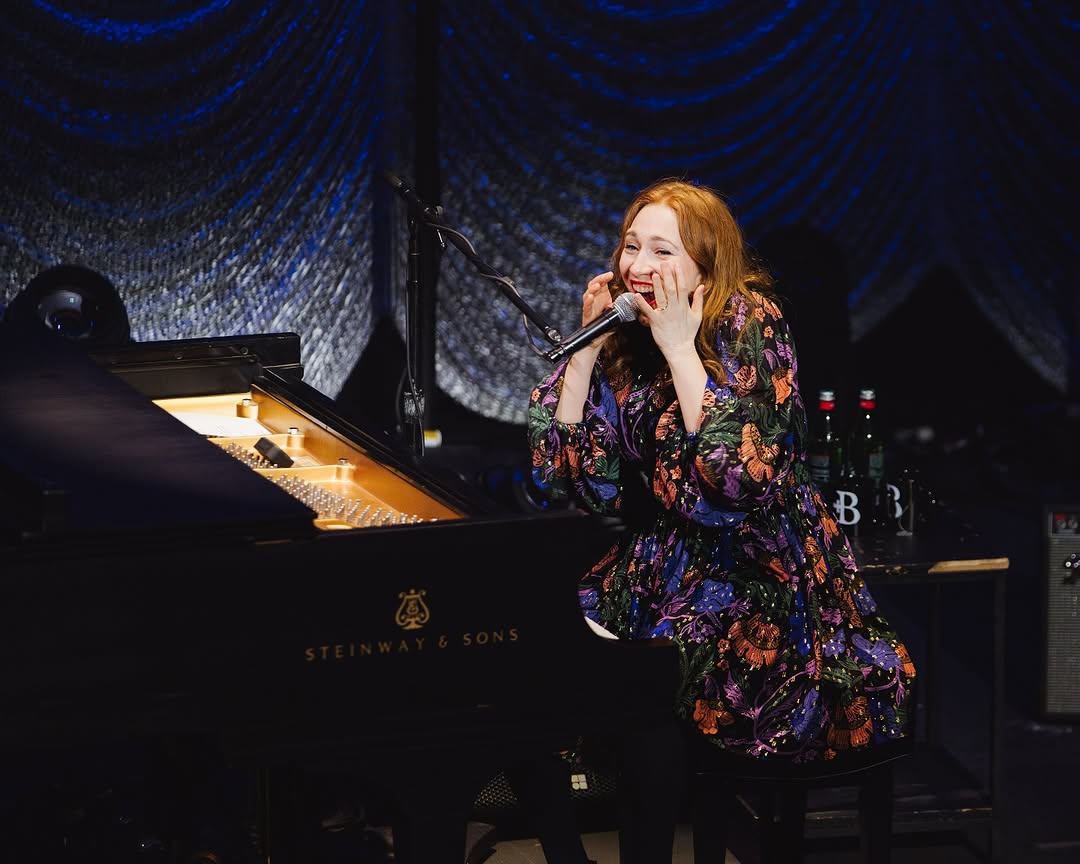
Musical Expertise: Songwriting, Piano & Vocal Style
- Songwriting:Spektor is known for her imaginative, often quirky lyrics and unorthodox song structures. She has described her creative process as intuitive – choosing ideas that “feel right” to her ear.
As she put it, “I love writing the words. Part of the music, for me, comes from the words.”In practice this means Spektor often starts with poetic or narrative lyrics and then fits melodies around them. Her songs frequently incorporate metaphor and storytelling (even sometimes surreal or fairy-tale imagery) rather than straightforward autobiographical content.
- Piano & Composition:A classically trained pianist, Spektor’s playing blends formal technique with improvisation and contemporary influences. In college she honed her skills in classical repertoire, but she also immersed herself in jazz, blues and rock music.
She cites artists like Billie Holiday and Queen among her influences. The result is a piano style that can alternate between Baroque-like arpeggios, pop chord progressions and ragtime or cabaret flourishes. Critics have noted that her classical foundation “gives way to improvisation and flashes of personality” as she adapts the piano to each song’s mood.
Spektor often adds percussive effects (for example, tapping on piano strings) and uses unusual fingerings to create distinctive sounds.
- Vocal Style:Spektor’s voice is highly expressive and versatile. She effortlessly shifts dynamics within a song – for instance, delivering one line in a gentle, almost whispered tone and then bursting into a full, powerful belt on the chorus.
Her vocal delivery can range from soft, introspective murmurs to exuberant, dramatic exclamations. Reviewers frequently comment on how she plays with cadence and tone, treating her vocals almost like instruments.
This dynamic range allows her to convey both vulnerability and theatrical exuberance in the same song. In sum, Spektor’s musical signature is the combination of literate, imaginative songwriting with virtuosic piano work and a flexible, emotive voice.
Breakthrough Albums & Mainstream Recognition
- Soviet Kitsch (2004)– Spektor’s first major-label album (initially released on an indie label and then reissued by Sire) introduced her offbeat sound to a wider audience.
It became a cult favorite, featuring her trademark blend of anti-folk and classical-influenced pop. Although not a massive commercial hit, Soviet Kitschincluded songs (“Oedipus,” “Poor Little Rich Boy”) that became staples of her repertoire and built momentum for her career.
- Begin to Hope (2006)– This album was Spektor’s commercial breakthrough. Fueled by memorable singles like “Fidelity” and “Samson,” Begin to Hopereached the Top 20 on the Billboard 200 and was certified gold (eventually platinum) in the U.S.
“Fidelity” became her first song to enter the Billboard Hot 100, and it was later certified platinum. The album combined pop accessibility with her distinctive storytelling, and it earned heavy airplay on adult alternative and college radio. In sum, Begin to Hopetransformed Spektor from a cult figure into an internationally recognized artist.
- Far (2009)– Her fourth studio album debuted at #3 on the Billboard 200 chart, representing her highest chart position. Farcontinued to showcase her eclectic style (with songs like “Laughing With” and “Dance Anthem of the 80s”) and earned critical praise for its polished production.
It included the single “Two Birds,” which was certified gold. The album’s technical quality was recognized with a Grammy nomination (Best Engineered Album). The success of Farsolidified Spektor’s status in the indie and alternative mainstream.
- What We Saw from the Cheap Seats (2012)– Also debuting at #3 on the U.S. album chart, this release offered a mix of piano ballads and pop-rock tunes.
It featured singles such as “All the Rowboats” and “Don’t Leave Me (Ne Me Quitte Pas),” further cementing her radio presence. While less commercially explosive than Begin to Hope, it sustained her visibility in the mainstream and continued to draw praise for its artistry.
- Remember Us to Life (2016)– Spektor’s seventh album debuted at #5 on the Billboard 200. It was her most mature-sounding record up to that point, with lush arrangements.
Though not accompanied by major hit singles, it was well-received by critics and her fanbase.
- Home, Before and After (2022)– After a six-year hiatus, Spektor returned with this ambitious concept album.
It was recorded with a full chamber orchestra (the Macedonian Symphony) and includes intricate, cinematic arrangements. Songs like “Becoming All Alone” and “Up the Mountain” showcased her deepening songwriting.
Critics in NPR Music and The New York Times praised the album’s emotional depth and orchestral scope, calling it her most expansive work yet. While not a mainstream pop chart-topper, Home, Before and Afterreaffirmed Spektor’s artistic evolution and maintained her presence on the charts.
Beyond her studio albums, Spektor’s work has earned mainstream recognition through other avenues. For example, her recording of “You’ve Got Time” became the theme for the Netflix series Orange Is the New Black, introducing her to a broad television audience.
She also appeared in soundtracks and tributes (for instance, covering songs for film or appearing on the HamiltonMixtape), further raising her profile.
Critical Acclaim, Awards & Industry Recognition
Spektor’s contributions have been acknowledged by both the music industry and her hometown. In the U.S., her album Begin to Hopeand the single “Fidelity” eventually achieved platinum status, while Farand the song “Samson” earned RIAA Gold certifications.
In 2014, she received a Grammy Award nomination for Best Song Written for Visual Media for “You’ve Got Time.” In 2020 she won a prestigious Guild of Music Supervisors award for Best Song Written for a Film for “One Little Soldier” (from the movie Bombshell).
Her classical prowess was recognized when Steinway & Sons named her a Steinway Artist in 2012, an honor given to distinguished pianists.
Her critical acclaim is also notable. NPR Music’s Bob Boilen ranked Spektor’s 2022 single “Up the Mountain” as his #1 favorite song of the year.
Publications like Pitchfork, Paste and The New York Times have lauded her adventurous musicianship – for example, The New York Timesdescribed “Up the Mountain” as “mystical and earthy” with inventive arrangements, and Pitchforkhighlighted how she lets her classical training give way to “flashes of personality” and improvisation.
Observers often compare her to iconic singer-songwriters; one magazine even called her “our generation’s Joni Mitchell.”
New York City has celebrated her career as well. In 2019 the Mayor of New York City declared June 11 to be “Regina Spektor Day” and installed a Star on the Bronx Walk of Fame in her honor, recognizing her as a distinguished local artist.
She has performed in prominent live settings including a solo residency on Broadway and a set at the White House, underscoring her status as a respected performer. Altogether, these accolades and honors reflect Spektor’s industry success and broad recognition as an influential musician.
Independent To Major Label Career Evolution
Regina Spektor’s career began entirely independently. In 2001 she self-released her debut album 11:11, a home-recorded collection that she sold at her early shows.
In 2002 she independently issued Songs, recorded during a single Christmas Day session and distributed as a handmade CD among fans.
- 2001 – 11:11: Spektor’s first release, recorded in New York and self-published.
- 2002 – Songs: Second independent album, written and produced at home; it attracted local buzz on the anti-folk scene.
- 2003/2004 – Signing and Soviet Kitsch: After touring with prominent rock bands, Spektor signed to Sire Records. Sire reissued her third album Soviet Kitschin 2004, marking her transition to a major label platform.
- 2006 onward – Sire/Warner albums: All of her subsequent studio albums (Begin to Hope, Far, What We Saw from the Cheap Seats, Remember Us to Life, Home, Before and After) were released on Sire (Warner). This period saw her combining her indie sensibility with the wider reach and resources of a major label.
Throughout her tenure with Warner, Spektor also pursued curated reissues of her catalog. Notably, in 2024 she officially released Songs(2002) to streaming and vinyl for the first time.
In 2025 she oversaw colored-vinyl reissues of five past albums (Begin to Hope, Far, What We Saw from the Cheap Seats, Remember Us to Life, Live in London).
These projects, all under her existing label relationships, allowed both longtime and new listeners to revisit her earlier work in high-quality formats.
Thus, Spektor’s career has evolved from grassroots self-publishing to long-term major-label releases, while also embracing the curation of her back catalog.
Current Career Status & Artistic Direction
As of 2025, Regina Spektor remains an active recording and touring artist. Her most recent album is Home, Before and After(2022), which she recorded in her upstate New York studio with full orchestral accompaniment.
The album received strong reviews for its mature, cinematic sound. After its release, Spektor performed concerts both solo and with an ensemble to showcase the new material.
In late 2024 Spektor revisited her early work by officially reissuing Songsand staging a special concert series (titled “Songs & Other Songs”) in New York City.
She performed the tracks from that 2002 album live for the first time in full, delighting fans of her early career. The positive response led to additional shows in Chicago and Los Angeles in early 2025.
Looking ahead, Spektor announced a major U.S. tour called the “Midsummer Daydream Tour”for summer 2025, which will include many cities she hasn’t visited in years.
Alongside the tour, she is releasing limited-edition colored vinyl versions of five of her albums. In announcing these projects she remarked, “I’m so excited to revisit all these records and these towns!”, highlighting her enthusiasm for both live performance and her recorded legacy.
Spektor has also indicated that she is actively working on new material. In interviews around the Songsre-release she said she is “actively writing new music” and looks forward to “more songs, more shows, more records.”
This suggests that while she honors her past work, she continues to push forward creatively. In summary, Regina Spektor’s current phase combines touring, archival reissues, and development of new compositions – an artistic direction that bridges her origins with future projects in music.
Regina Spektor Net Worth
As of 2026, no public consensus on Regina Spektor’s net worth exists. Celebrity-focused sites offer varying figures (roughly $12–15 million) but none are validated by major financial outlets like Forbes or Bloomberg. Spektor derives income from her music career: selling albums (e.g. Begin to Hope), touring internationally, songwriting, and licensing her songs for film and television.
She has contributed music to movie soundtracks and lent her voice to animated features. Without official confirmation, any reported range is speculative and should be viewed as unverified due to the limitations of public data.
FAQs
Who Is Regina Spektor?
Regina Spektor is a Russian-born American singer-songwriter and pianist known for piano-driven indie-pop and expressive vocal performances. She has been active in the music industry since the early 2000s.
Where Was Regina Spektor Born?
She was born in Moscow, Soviet Union, on February 18, 1980. Her family later emigrated to the United States when she was a child.
Why Did Regina Spektor Move To The United States?
Her family immigrated to the U.S. in 1989 to escape anti-Jewish discrimination in the Soviet Union. They settled in New York City.
Is Regina Spektor Classically Trained?
Yes, Regina Spektor received formal classical piano training from an early age. She later studied music at the SUNY Purchase Conservatory of Music.
When Did Regina Spektor Become Famous?
She gained mainstream recognition in 2006 with the release of Begin to Hope. The album included the widely played single “Fidelity.”
What Genre Of Music Does Regina Spektor Make?
Her music blends elements of classical piano, indie-pop, folk, and alternative rock. She is also associated with New York’s anti-folk scene.
What Is Regina Spektor Best Known For?
She is best known for her piano-centered songwriting, imaginative lyrics, and dynamic vocal style. Her work often combines storytelling with unconventional song structures.
Latest Articles
Popular Articles