Lil Poopy Biography: Fame, Growth, And Net Worth
A factual snapshot of Lil Poopy Net Worth, career progression, income sources, and financial transparency based on reliable reporting.
Feb 01, 2026987 Shares61.6K Views
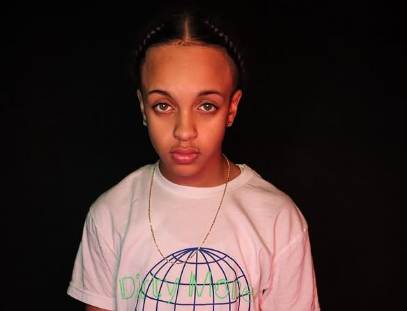
Luie (Luis) Rivera Jr. known by his stage name Lil Poopy was born and raised in Brockton, Massachusetts. He is the son of Luis Rivera and Jatoy Rivera. His family background is of Puerto Rican heritage. (By 2013 his parents were reported to be separated; his mother, Jatoy Rivera, was living apart from his father.)
Lil Poopy grew up attending local schools in Brockton. He was a student at East Middle School in Brockton. His family emphasized education over entertainment. Lil Poopy himself said that “school comes before rapping”, and his father noted that Rivera Jr. attended school every day and was “a really smart kid” whom “teachers love”.
He was raised in an inner-city environment in Brockton. In a later interview he described his neighborhood as “horrible” and noted that “someone died two days ago” there, reflecting local violence. Despite this, family members characterized Lil Poopy as a “normal kid” at home. They said he enjoyed playing sports with friends and riding ATVs with his father, and that he was generally well cared for by his family.
| Fact Category | Verified Information |
| Full Name | Born Luis (Luie) Rivera Jr. |
| Stage Name | Performs as Lil Poopy. |
| Birthplace | Raised in Brockton, Massachusetts. |
| Ethnicity | Of Puerto Rican heritage. |
| Parents | Son of Luis Rivera and Jatoy Rivera. |
| Education | Publicly stated school came before music. |
| Early Fame | Went viral as a rapper at age nine. |
| Television | Runner-up on The Rap Game (2016). |
| Career Status | Active as an independent artist. |
| Net Worth | No verified public net worth as of 2026. |
Lil Poopy Career
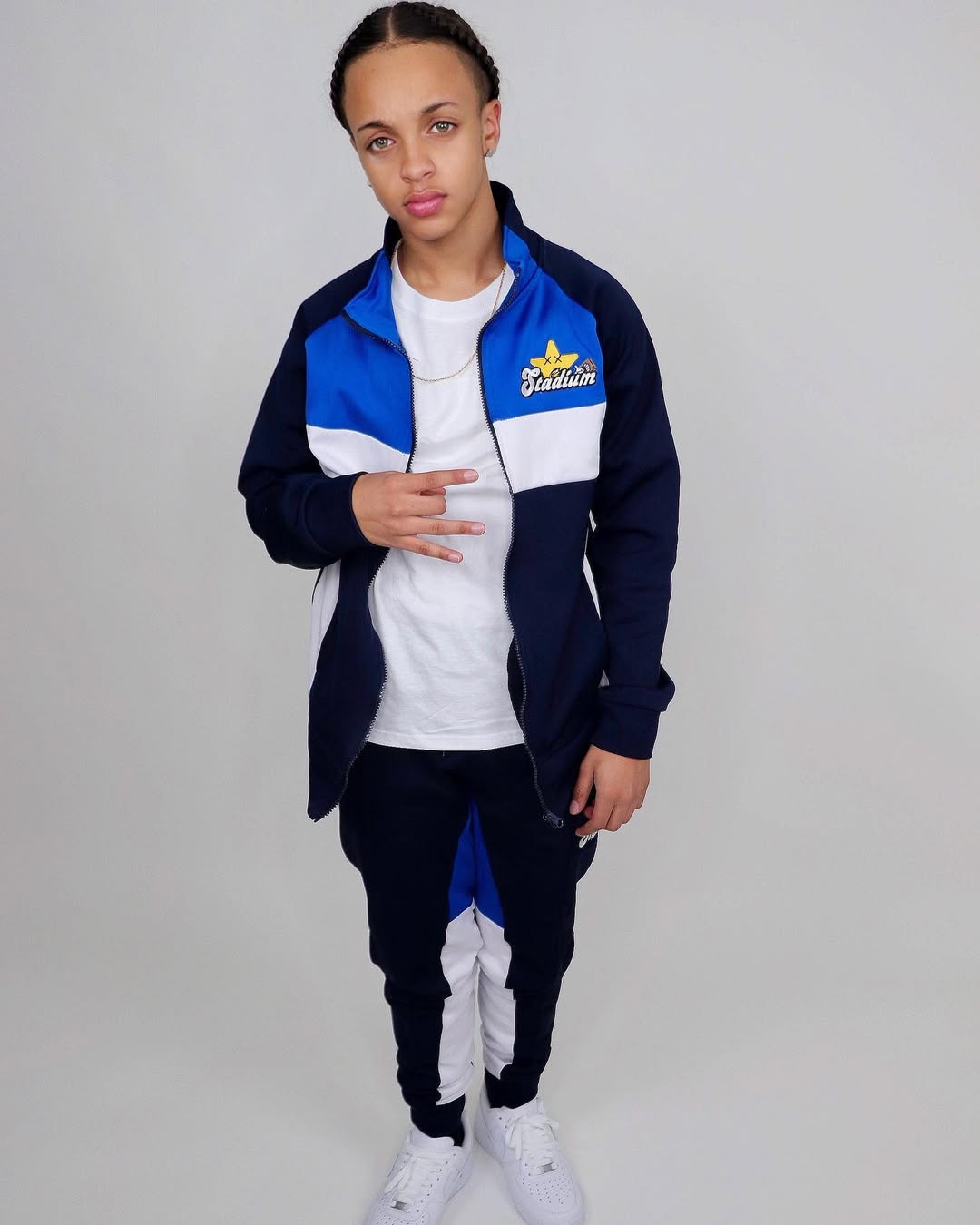
Lil Poopy, born Luis Rivera Jr. (sometimes credited as Luie Rivera Jr.), is an American rapper from Brockton, Massachusetts. He first became known as a child prodigy in hip-hop, gaining national attention for his high-energy rap videos and bold lyrics beginning around age 9.
Over the years he has transitioned from a viral child performer into an aspiring professional rapper. His career includes independent music releases, reality TV exposure, and ongoing performances.
Notable for his early stage name, Lil Poopy built a following with catchy, controversial tracks, and later showcased his skills on national television. Today he continues to pursue music with plans for further development as an adult artist.
Early Career & Viral Breakthrough As A Child Rapper
Lil Poopy’s career began in the early 2010s when he was just a young child. Around 2012–2013 he released his first mixtape, Coke Ain’t a Bad Word, under the umbrella of French Montana’s Coke Boys collective.
On that mixtape he recorded rap covers of French Montana tracks, including a version of “Pop That” with the memorable line, “Coke ain’t a bad word, it’s only soda.”
These songs and their accompanying videos went viral online, amassing millions of views. By age nine he was already performing alongside established stars; for example, he flew to Miami to shoot a music video with hip-hop mogul Diddy.
His videos drew intense media attention for their provocative style, bringing scrutiny alongside fame. The rookie rapper’s early videos featured over-the-top imagery (e.g. luxury cars, club scenes) and led to coverage by major outlets.
One of his childhood songs went viral on YouTube with over a million views. While the mature themes stirred controversy, they also solidified Lil Poopy’s reputation as a young artist willing to push boundaries.
His talent for freestyle and rhythm, evident even as a fourth-grader, earned him coverage in music press and on news programs, which noted how unusual it was to see a child rapper with such stage presence.
The Rap Game (Season 1): Reality TV Career Exposure
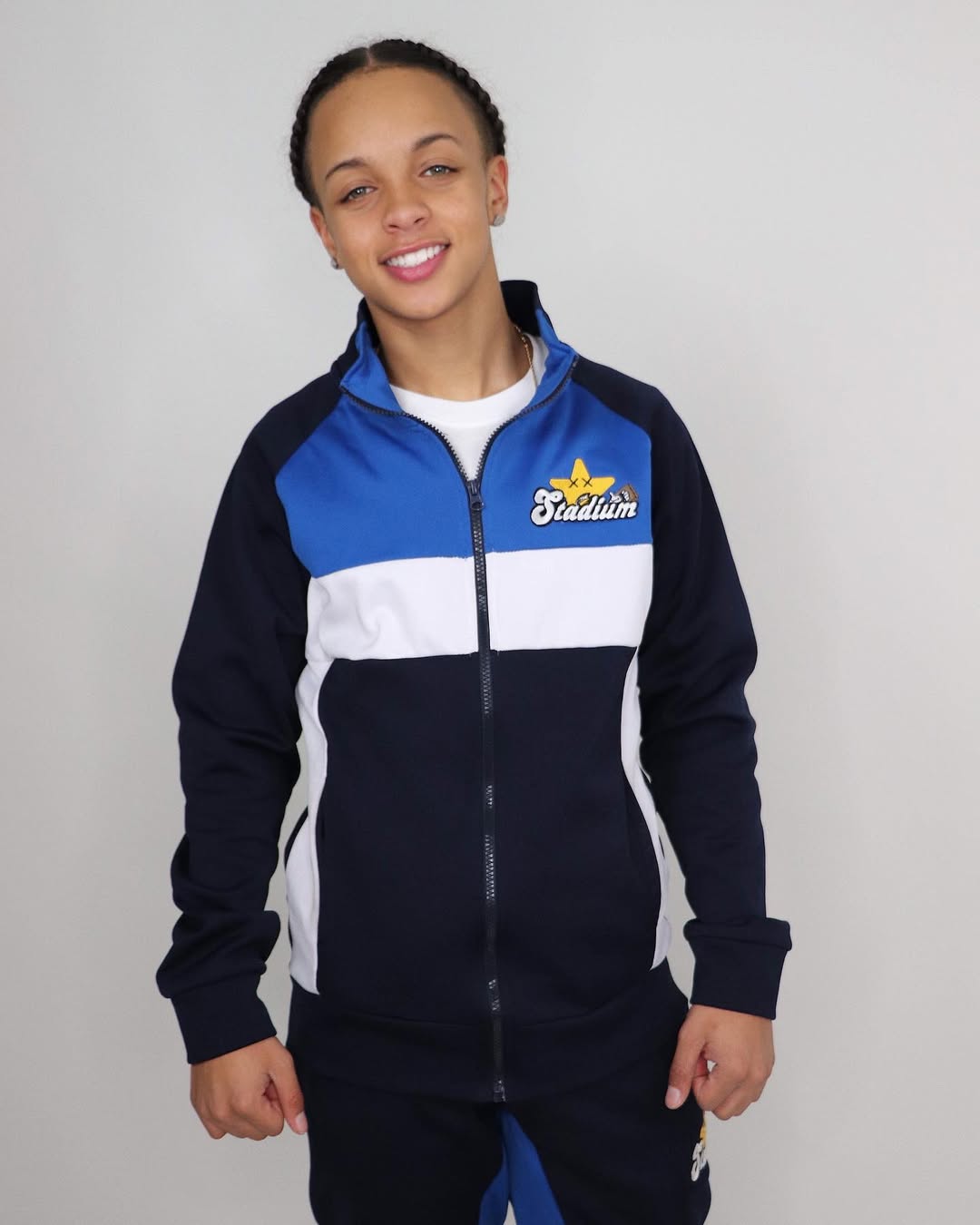
In 2016, Lil Poopy’s career took a significant turn when he became a contestant on Season 1 of Lifetime’s reality TV competition The Rap Game. The show, hosted by producer Jermaine Dupri, featured five young rappers (ages 12–16) competing for a recording contract.
At just 12 years old, Lil Poopy brought his experience and confidence to the Atlanta-based contest. His time on The Rap Gamewas nationally televised, giving him broad exposure.
On the show he discussed his motivations for rapping, explaining that he used music as a way to escape the “horrible” neighborhood he grew up in and to help his family.
Under Dupri’s mentorship, Lil Poopy performed new material and participated in various challenges and studio sessions. He initially struggled on one freestyle task, but adjusted his style and improved his ranking.
By the end of the season, Lil Poopy had emerged as a fan favorite and strong competitor. Ultimately he placed second in the competition (runner-up to Miss Mulatto), which further raised his profile.
The experience taught him professional rap skills and gave him national visibility as a child entertainer transitioning into adolescence.
Music Career Development & Artistic Growth
After The Rap Game, Lil Poopy continued developing his music career. In late 2016 he released the single “Turn It Up” (with producer Massfivestar), marking his first major independent release after the show.
He followed this with additional singles over the next couple years: “Numbers”in 2017, and in 2018 tracks titled “I.T.B.S.”and “Run It Up”.
These releases were issued on independent labels and digital platforms, and he often collaborated with other young rappers on the local scene.
Throughout this period he worked with his management team to refine his sound, aiming for a harder-hitting, trap-influenced style.
Lil Poopy remained managed by industry veterans who had guided his career since childhood; for example, manager Devon Sydney (who also worked with other young artists) continued to oversee his work.
Sydney praised Lil Poopy’s stage confidence and professionalism, noting that even compared to performers his own age he stood out on stage. Sydney believed Lil Poopy had the talent and work ethic to sustain a career if he chose.
In interviews during this era, Lil Poopy voiced determination and ambition, declaring that older peers who once underestimated him now recognized his skill and warning, “I’m coming for the top.”
There was media buzz about possible major record deals as well. In mid-2016 several outlets reported that Lil Poopy had signed a four-year recording contract with Sony Music (Epic Records).
This generated headlines and discussion about his future, but shortly afterward the record label publicly denied that any formal deal was in place. In the end, Lil Poopy did not enter the Epic/Sony roster.
He remained an independent artist working on his own terms. This period, however, showed the growing interest in him from the music industry and validated his potential as he entered his teens.
Major Songs, Performances & Public Recognition
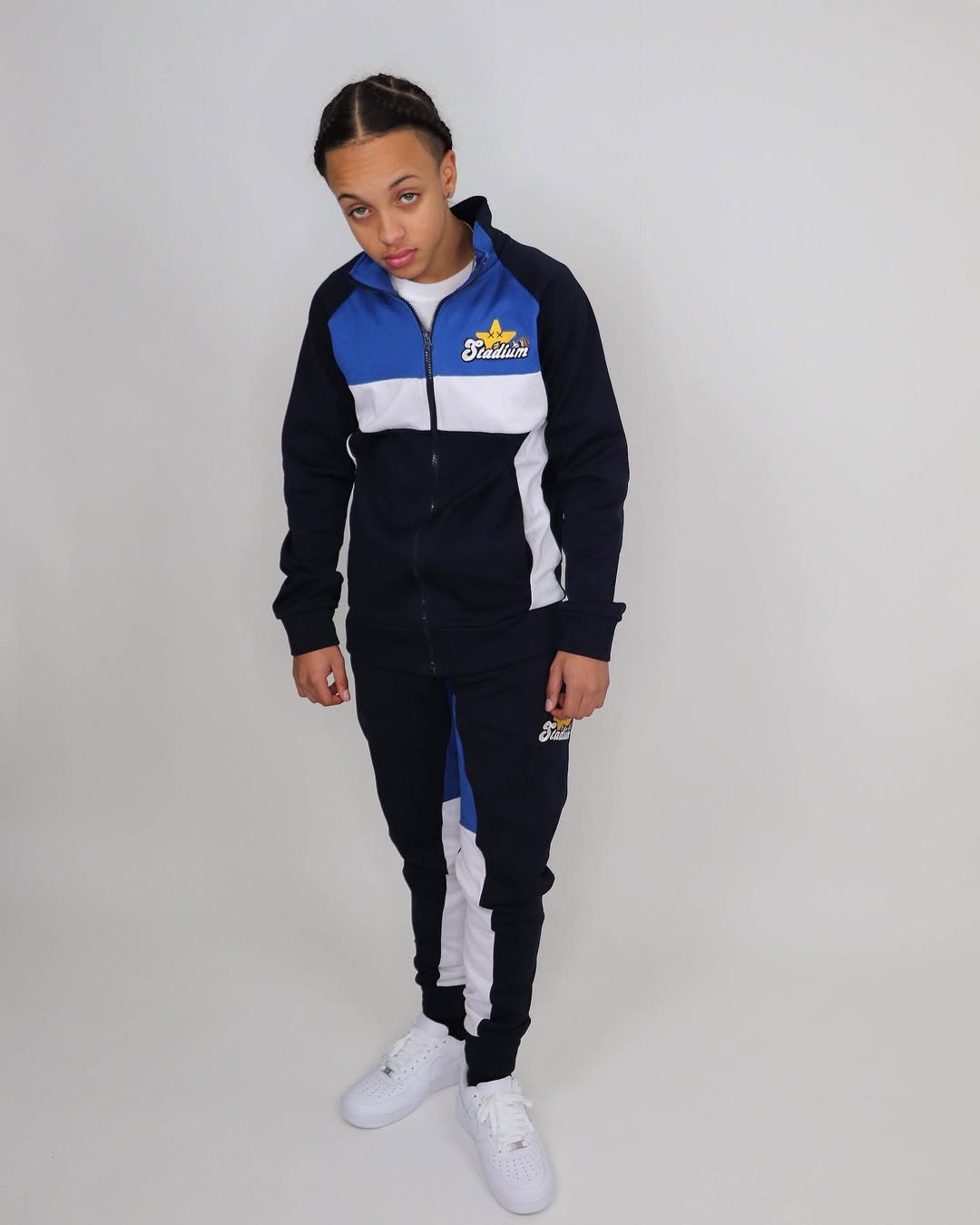
As of the late 2010s, Lil Poopy’s most recognizable songs remained those from his youth, especially his “Pop That”remix and the singles he put out after The Rap Game.
None of his tracks have charted on major lists, but they have accumulated a dedicated online audience. His style blends youthful bravado with trap beats, and he often raps about proving himself.
In addition to “Turn It Up,” he has guest-featured on songs by peers and on compilations. For instance, he appeared on Young Lyric’s 2017 single “Ice,” showcasing collaboration with a fellow Rap Game alumnus.
He has released music videos on YouTube, including for “Pop That (Remix)” and some of his later singles. From an achievements standpoint, Lil Poopy’s recognition has largely been through media coverage rather than awards.
Early in his career he became something of a viral celebrity. Major news outlets such as ABC News and the Guardian ran feature stories on him, highlighting how unusual it was for a child to rap about adult-themed topics.
He was often described as “Boston’s nine-year-old rap star” or a “kid sensation.” This coverage, though sometimes critical, confirmed that he had achieved national notoriety.
In live performance, Lil Poopy opened for and performed alongside older local rap acts when he was very young. He even earned thousands of dollars for appearances in his pre-teens (as reported in press interviews from that time).
He rode hoverboards on camera and entered competitions, building a resume of professional appearances uncommon for someone his age.
Transition From Child Artist To Professional Rapper
As Lil Poopy moved through adolescence, his professional focus shifted toward developing a sustainable rap career. He retained his childhood stage name but sought to be taken seriously as a young adult artist.
This transition involved changing his image and refining his music. Where his earliest tracks emphasized shock value, his later work aimed for maturity in content and flow.
Coverage of his career notes that he is “coming of age” in the industry. By his late teens he was seen posting more freestyle videos and engaging in rap collaborations rather than relying on the circus around his early fame.
Throughout this period Lil Poopy has emphasized his dedication to music. He has acknowledged that he once felt people underestimated him because of his age, and insisted he intended to prove doubters wrong.
His manager’s assessment also reflected this growth. The manager praised Lil Poopy for performing “as comfortably” on stage as many older artists.
He also stated confidently that Lil Poopy’s career “is going to be fine as long as he wants to do it.” Those observations highlight his shift from child novelty act toward long-term artist.
By his late teens, his social media and performances have been more aligned with adult rap culture. These efforts focus on fashion, studio work, and the hip-hop community.
He retains some of the playful spirit from his youth. In essence, Lil Poopy’s transition has involved balancing the legacy of his early success with the need to evolve artistically.
He continues to rap under the same moniker, but his goals now center on skill-building and professional networking. This is evident in the way he collaborates with other rappers who were also formerly on The Rap Gameand in the tracks he releases independently.
While the name Lil Poopy evokes his past, his recent work suggests he is aiming for recognition as an adult rapper rather than just a phenomenon.
Current Music Career & Future Direction
As of the mid-2020s, Lil Poopy remains active in music, though without a major label affiliation. He operates primarily as an independent artist. He has not yet released a full studio album.
Instead, his catalog consists of singles and guest features from 2016 onward. He continues to produce new songs and videos at his own pace. In lieu of mainstream releases, much of his recent activity is shared directly with fans.
He frequently uses Instagram to post freestyle rap clips and updates. Reports as of 2023 note that he often “communicates” with his audience on social media. He freestyles, shares his lifestyle, and stays connected with other young artists in hip-hop.
Lil Poopy’s live performances now include local club gigs, community events, and possibly regional tours. Detailed schedules are generally announced through his own channels rather than in large media outlets.
He still takes the stage, leveraging the live-performance skills he developed since childhood. He also occasionally participates in rap challenges and cyphers online, a common way for modern artists to stay relevant.
Looking ahead, Lil Poopy has expressed a continued passion for music and an ambition to capitalize on his early notoriety. Industry observers note that he is still very young for a rapper, so much of his career is still unfolding.
There is no publicly confirmed date for a debut album or new record deal. His team remains on standby. Given his decade-long presence in rap and his eagerness to succeed, it is expected that he will release more music as he matures.
His manager remains supportive and Lil Poopy has a built-in fanbase from his childhood fame. If he continues to refine his sound and leverage digital platforms, he has a foundation to transition fully into a seasoned artist.
In summary, Lil Poopy is currently building on his early success by staying active in music and performance. He has matured from a viral child rapper into a young adult pursuing an independent rap career.
With experience already under his belt and a loyal following, he appears ready to embark on the next phase of his professional path, focusing on growth and sustainability in the music industry.
Lil Poopy Net Worth
As of 2026, no reliable public net-worth estimate for Lil Poopy has been published that meets consistent verification standards. He derives income from his work as a rapper and performer, including music releases, digital streaming activity, and public appearances connected to his early exposure on televised music competition programming.
His wealth primarily comes from music royalties, performance fees, and participation in entertainment-related projects tied to his recording career. Forbes, Bloomberg, and other major financial publications have not confirmed any valuation, and figures circulating online remain unverified, inconsistent, and based on limited publicly available information.
FAQs
Who Is Lil Poopy?
Lil Poopy is an American rapper from Brockton, Massachusetts. He became nationally known as a child rapper in the early 2010s and later appeared on Season 1 of The Rap Game.
What Is Lil Poopy’s Real Name?
Lil Poopy was born Luis (Luie) Rivera Jr.His name has appeared with both spellings in verified media sources.
Where Is Lil Poopy From?
He was born and raised in Brockton, Massachusetts, United States. He has frequently referenced his hometown in interviews.
What Is Lil Poopy Known For?
He is best known for his early viral rap videos as a child and for finishing as the runner-up on The Rap Gamein 2016.
How Old Was Lil Poopy When He Became Famous?
Lil Poopy gained national attention at approximately nine years old through viral music videos and performances.
Did Lil Poopy Sign A Major Record Deal?
Reports in 2016 suggested a potential major-label deal, but no contract was confirmed. He has remained an independent artist.
Latest Articles
Popular Articles