John Teets: Career, Leadership, And Corporate Legacy
Clear breakdown of John Teets Net Worth, income background, and how his restructuring decisions created long-term shareholder value by 2026.
Feb 03, 202637.9K Shares506K Views
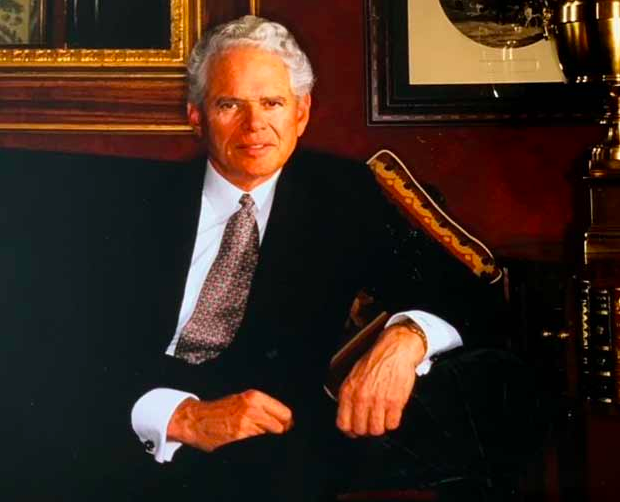
John W. Teets was born on September 15, 1933. He grew up in Chicago, Illinois, in a working-class family. His father worked as a crane operator and later founded his own construction company. As a youth, Teets was reportedly not an especially engaged student and showed little interest in pursuing the civil engineering career his father had hoped for him. Instead, from an early age he was drawn to the restaurant business.
John W. Teets Career
John W. Teets was an American business executive renowned for leading major corporate turnarounds in the 1980s and 1990s. After joining the Greyhound Corporation in the 1960s, he rose through the ranks to become Greyhound’s chief executive by 1981.
Under his leadership Greyhound was transformed from a sprawling bus-based conglomerate into a focused consumer-products company. In 1990–1991 he rebranded the business as The Dial Corporation to reflect its emphasis on household brands.
Teets later orchestrated a two-way split of the company’s assets, spinning off the services side as Viad Corp in 1996, and retired as Dial’s CEO in 1997. Throughout his tenure he directed significant divestitures and acquisitions that reshaped both Greyhound and Dial, leaving a legacy of streamlined operations and strong consumer brands.
| Fact Category | Verified Information |
| Full Name | John W. Teets |
| Date of Birth | September 15, 1933 |
| Birthplace | Chicago, Illinois |
| Nationality | American |
| Profession | Business executive |
| Known For | Corporate turnarounds |
| Major Company | Greyhound Corporation |
| CEO Role | Greyhound / Dial Corp |
| Key Companies | Greyhound Corporation, The Dial Corporation, Viad Corp |
| Net Worth | No verified public estimate |
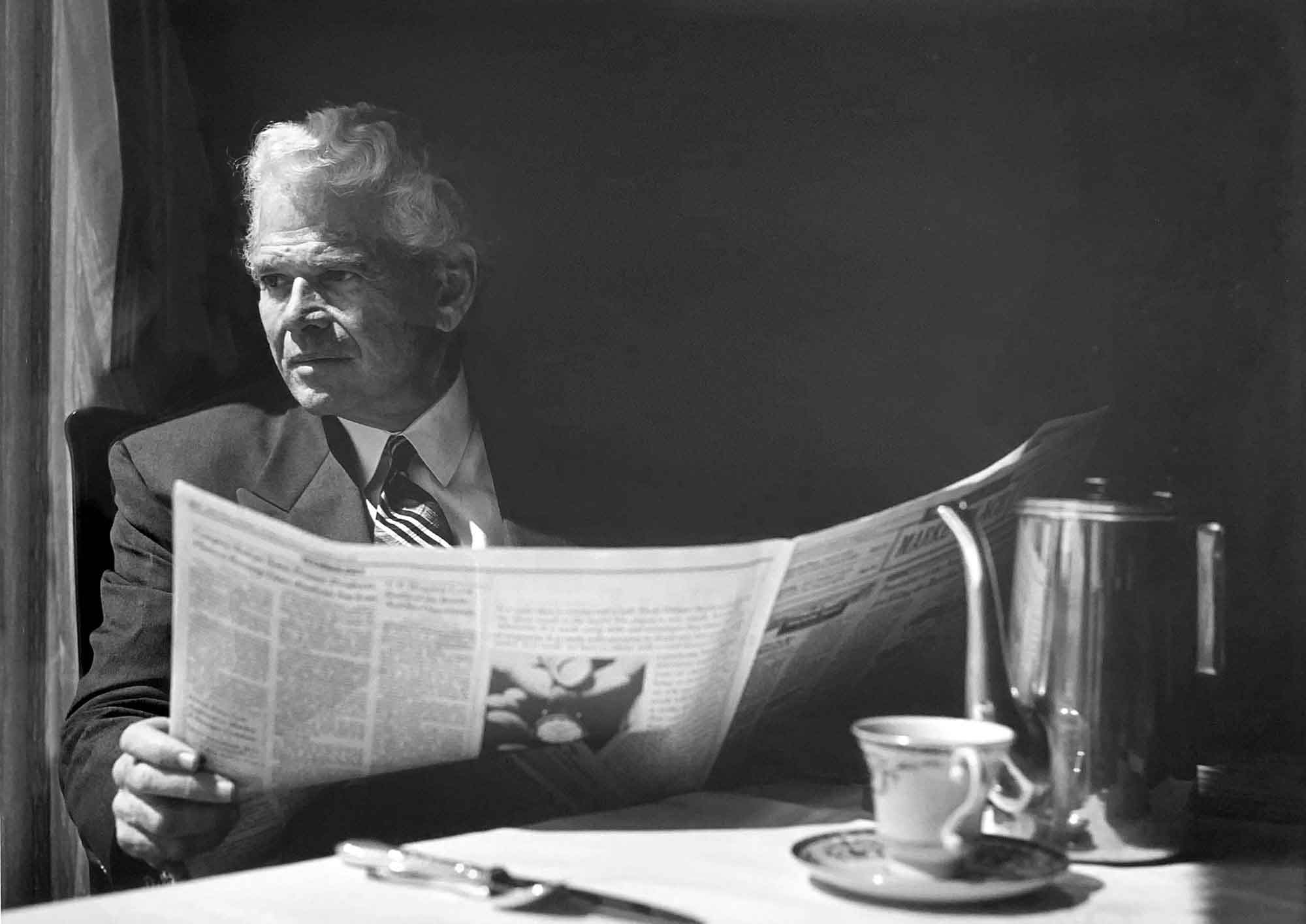
Early Corporate Career & Leadership Background
Teets began his corporate career in the early 1960s. In 1963 he joined the Greyhound Corporation to develop its dining facilities at the New York World’s Fair.
Two years later, at age 32, he was appointed president of two Greyhound food-service subsidiaries, at the time the youngest division chief in the company’s history. In this role he oversaw rapid growth; the company’s food-service operations expanded roughly 60% over the ensuing four years.
By 1975 Teets had been promoted to president and CEO of Greyhound Food Management and also served as group vice president of food service for all of Greyhound. In those years he honed a reputation for turning around underperforming units and driving high returns on investment.
This early success in operations set the stage for his rapid ascent into senior leadership.
Leadership Role At Greyhound Corporation
By 1980 Teets was elected vice chairman of the Greyhound Corporation and joined its board of directors. Shortly thereafter he assumed the chairmanship and CEO role for Armour & Company, Greyhound’s consumer-products subsidiary.
In October 1981 he was named president and chief executive of the entire Greyhound Corporation. In that capacity Teets directed a diverse Fortune 500 conglomerate that included businesses ranging from intercity buses to food manufacturing and duty-free shops.
He moved quickly to impose disciplined financial goals; he famously set a 15% return-on-equity target for each subsidiary, underscoring his focus on profitability. Teets also restructured the corporate hierarchy and assumed direct oversight of troubled divisions.
Early in his tenure he became known as a tough, results-driven manager who demanded accountability across Greyhound’s operations.
Major Corporate Transformation & Strategic Decisions
Once at the helm, Teets led a sweeping restructuring of Greyhound’s holdings. In 1983 he slashed operating costs at Armour Foods; when the labor force refused wage cuts, he shut down 29 plants and sold the meatpacking business to ConAgra.
That same year he reorganized Greyhound’s consumer-products arm, carving out the Dial soap and Purex detergent businesses as a separate unit. In 1985 he bolstered that unit by acquiring Purex Industries for $264 million, doubling Greyhound’s consumer-product sales.
Teets also tackled Greyhound’s troubled bus operations. After a bruising 1985–1986 drivers’ strike, in which he kept buses running with replacement crews, he negotiated a sale of Greyhound Lines to a Dallas investor group in late 1986 for roughly $350 million.
This divestiture allowed Greyhound to exit the loss-making intercity bus market. To reflect the company’s new focus on consumer products, he changed the corporate name to Greyhound-Dial in early 1990.
Within a year, after confusion over the “Greyhound” name, the firm was officially renamed The Dial Corporation, emphasizing its core household brands. Teets continued to streamline the business by spinning off non-core services; in 1992 the financial-services subsidiary was divested as Finova.
In 1996 he completed a two-way split of the company. The Dial Corporation was separated into a consumer-products business, keeping the Dial name, and a services-oriented company, Viad Corp. These strategic transactions under Teets’s guidance reshaped the old Greyhound conglomerate into two focused enterprises.
Role In The Dial Corporation’s Growth
As CEO of the newly renamed Dial Corporation, Teets concentrated on expanding its core household brands. He honed the company’s portfolio around four flagship products—Dial soap, Purex detergent, Renuzit air fresheners, and Armour Star canned meats—that by the mid-1990s accounted for the vast majority of sales.
During his tenure, Dial enhanced its market position. It became the leading supplier of antibacterial soap in the United States and a top-three detergent maker by the late 1990s.
For example, Dial’s market-leading product lines continued to grow internationally under his leadership. Teets also integrated new brands, such as the Brillo steel-wool pads acquired in the late 1980s, and rationalized the product mix.
Financially, the company recovered strongly after the late-1980s reorganizations. By 1991 Dial’s revenues had grown modestly to $3.6 billion, and excluding restructuring charges the firm would have earned over $120 million in net income.
These results reflected the success of Teets’s strategy to focus Dial on its most valuable consumer businesses.
Executive Leadership Style & Business Influence
Throughout his career Teets was known for a pragmatic, no-nonsense leadership style. He insisted on rigorous performance metrics and personally drove cost-cutting efforts.
Under his leadership, managers were incentivized to meet strict financial targets and improve efficiency. Teets was willing to make bold decisions to enforce these standards, for instance confronting union contracts and closing plants when necessary to improve profitability.
Colleagues described him as a tough, energetic executive who demanded accountability. He made clear that every unit must deliver results or be reshaped.
This disciplined, results-oriented approach became a hallmark of his tenure. It also earned him a reputation as an effective turnaround specialist.
Teets’s influence extended beyond day-to-day operations. He helped instill a culture of performance discipline at Greyhound and Dial and was credited with transforming long-struggling divisions into profitable businesses.
Career Achievements & Business Legacy
By the time Teets retired in 1997, he had built a legacy of significant business achievements. He had reoriented a declining transportation conglomerate into a focused consumer-products leader and had created substantial shareholder value in the process.
Under his guidance, the company’s stock price roughly doubled from its low point in the late 1980s. The strategic spin-offs he orchestrated gave birth to two enduring corporations: the Phoenix-based Dial Corporation and Viad Corp.
These publicly traded companies continued to thrive after his departure. Overall, Teets left behind a leaner, more profitable business structure and well-known consumer brands.
His career is often cited as a classic example of successful corporate restructuring. By combining bold strategic moves with disciplined management, John W. Teets transformed American companies and left an enduring mark on the Greyhound and Dial corporate legacies.
John Teets Net Worth
As of 2026, no reliable public estimate exists for John W. Teets’s net worth. Teets served as CEO of Greyhound Lines and later of The Dial Corporation, and his income came from the executive compensation typical of those roles (salary, bonuses, and stock incentives).
He retired in 1997 after corporate restructuring, but the companies did not publicly disclose his exact pay or holdings. Major financial outlets have not reported any net worth for Teets, so any online estimates remain unverified. Because he was a private individual who died in 2011, his true wealth remains undocumented and uncertain.
FAQs
Who Was John Teets?
John W. Teets was an American business executive best known for leading major corporate restructurings at the Greyhound Corporation and later The Dial Corporation. He served as CEO from 1981 until his retirement in 1997.
What Is John Teets Best Known For?
John Teets is best known for transforming Greyhound from a diversified transportation conglomerate into a focused consumer-products company. His leadership resulted in the creation of The Dial Corporation and the spin-off of Viad Corp.
What Companies Did John Teets Lead?
Teets served as President and CEO of the Greyhound Corporation and later as CEO of The Dial Corporation. He also chaired and oversaw key subsidiaries, including Armour & Company.
What Was John Teets’s Leadership Style?
John Teets was known for a disciplined, results-driven management approach focused on return on equity and operational efficiency. He emphasized accountability, cost control, and strategic divestitures.
When Did John Teets Retire And Pass Away?
John Teets retired from The Dial Corporation in 1997 after completing major corporate restructurings. He passed away in 2011.
Latest Articles
Popular Articles