Top 15 Hilarious Comedians Who Come From Indiana
Looking for laughs? Check out 15 famous comedians from Indiana who rose to fame and left a lasting mark on American comedy.
Jun 21, 202543.1K Shares719.4K Views
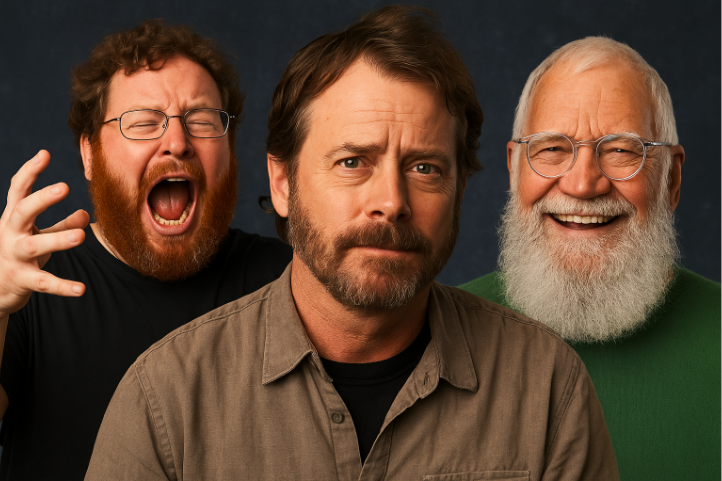
Indiana may be known for its farmlands and basketballpassion, but it has also given rise to some of the most iconic and influential comedians in America. From legendary TV personalities to rising stand-up stars, these entertainers have brought laughter to millions across generations. Their unique voices, sharp wit, and memorable performances have shaped the comedy scene both locally and nationally.
In this post, you’ll discover 15 famous comedians who all share one thing in common – they come from the Hoosier State. Whether you're a comedy fan or just curious about Indiana's hidden talents, this list highlights the names you need to know.
Red Skelton
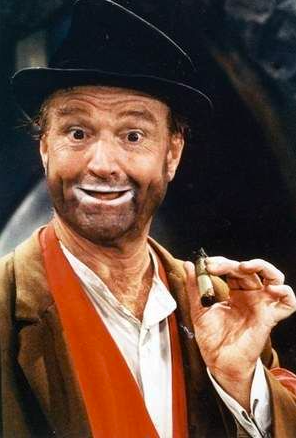
Red Skelton began in medicine shows and vaudeville in the 1920s and broke out on radio in the late 1930s with The Raleigh Cigarette Program(1941–53). He starred in films such as Whistling in the Dark(1941), The Fuller Brush Man(1948), The Clown(1953), and others. In 1951 he launched The Red Skelton Show, a TV variety series that ran until 1971 across NBC and CBS, winning three Emmys and a Golden Globe in 1959. He later returned to live performances, including HBO specials in the 1980s.
Skelton's style blended slapstick, mime, character-driven sketches, wordplay, and emotional warmth, touching on everyday life, childhood, and patriotism. His on-stage persona was a soft‑hearted clown, using minimal props, usually just a hat, and delivering memorable characters like Freddie the Freeloader, Clem Kadiddlehopper, and the “Mean Widdle Kid” with the catchphrase “I dood it!” He ended shows with “Good night and may God bless.” His awards include Emmys (1952, 1961), Golden Globe Cecil B. DeMille Award (1978), Governors Award (1986), induction into the Television Hall of Fame (1988) and National Radio Hall of Fame (1994), and two stars on the Hollywood Walk of Fame. Groucho Marx praised him as “the logical successor to Chaplin,” and he influenced later comedians like Jim Carrey and Robin Williams. Red Skelton died on September 17, 1997, at age 84 in Rancho Mirage, California, from pneumonia.
Mike Epps
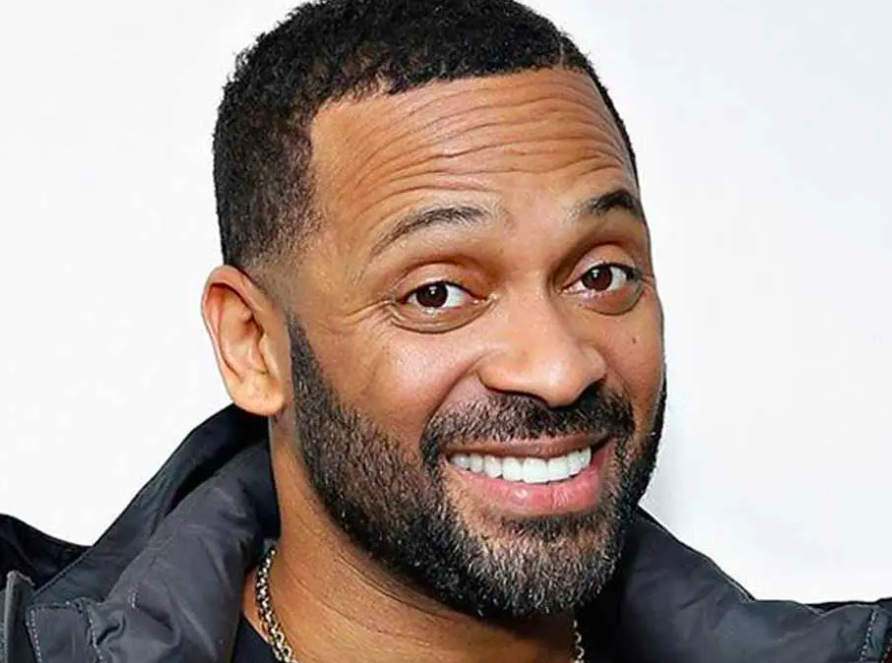
Mike Epps began stand up in his teens and rose to fame after appearing on HBO’s Def Comedy Jamin 1995. He landed his breakout film role in Next Friday(1999) as Day Day Jones, leading to sequels Friday After Nextand All About the Benjaminsalongside Ice Cube. His notable film roles include Black Doug in The Hangoverseries, Sonny in Dr. Dolittle 2, voice work in Open Season 2, and dramatic turns in Sparkleand Talk to Me. On TV, he starred in the sitcoms Uncle Buckand The Upshaws(2021–), earning a 2024 NAACP Image Award for Outstanding Actor in a Comedy Series. Epps has released several stand up specials, including Inappropriate Behavior(2006), Under Rated & Never Faded(2010), Don’t Take It Personal(2015), Only One Mike(2019), and Indiana Mikeand Ready to Sell Outon Netflix.
His comedic style blends observational humor and satire, with personal storytelling and high energy. He often jokes about everyday life, relationships, education, aging, and urban culture. On stage, Epps portrays a confident, street smart persona, expressive in voice and movement, with a warm rapport and quick wit. He frequently engages audiences with personal anecdotes and lively delivery, winning him loyal fans who consider him “hood funny” and “most underrated.” His 2023 special Ready to Sell Outranked third in Netflix’s Top 10 Stand Up Specials, behind only Tom Brady’s roast and Kevin Hart.
Epps has won two NAACP Image Awards, for Survivor’s Remorse(2016) and The Upshaws(2024), and his Netflix specials maintain strong rankings. He is praised for bringing relatable, urban-flavored humor to mainstream media. His influence is seen in how he merges stand up, film, and TV, setting a path for comedians to work cross medium. As a producer and actor, he has helped shape roles for Black entertainers and continues to innovate through comedy specials and television.
David Letterman
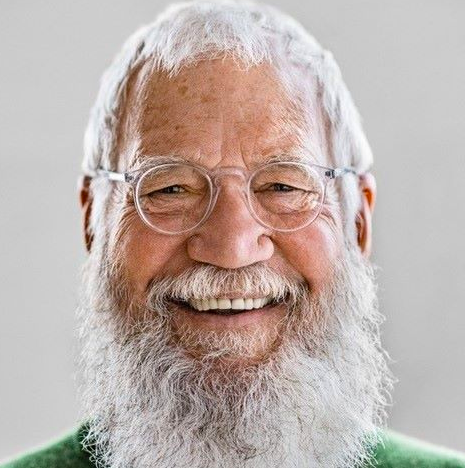
David Letterman broke through in 1982 as the host of Late Night with David Letterman on NBC, creating a show full of unconventional stunts and segments like the Top Ten List, Stupid Pet Tricks, and viewer mail bits. In 1993 he moved to CBS and launched The Late Show with David Letterman, launching a long running feud with Jay Leno, and earning massive popularity, his show ran until 2015 with over 4,000 episodes. He also hosted Netflix’s My Next Guest Needs No Introductionstarting in 2018, earning several Emmy nominations. He made cameo appearances in several films including Cabin Boy(1994), Eddie(1996), Beavis and Butt Head Do America(1996), Sully(2016), and Between Two Ferns: The Movie(2019).
Letterman’s comedic style mixes observational, satirical, and absurdisthumor, with a self deprecating, ironic tone and playful disdain for TV norms. He often jokes about daily life, media, politics, and celebrity culture. On stage, he appeared as a sarcastic yet vulnerable host, delivering monologues and segments with a deadpan edge and spontaneous pranks. He often broke the fourth wall, using witty self references and interaction with crew members, making the show feel loose and unpredictable.
Letterman earned numerous awards: over 30 Emmy Awards, including four for Late Nightand one for Late Show, plus Daytime Emmys, Peabody Awardsin 1991 and 2015, and the Kennedy Center Honorsin 2012, establishing his status among late night greats. He has been rankedamong TV Guide’s top 60 series (#41 for his shows). His legacy includes inspiring hosts such as Conan O’Brien, Jon Stewart, Stephen Colbert, Jimmy Fallon, and others. Letterman transformed late night tv, turning it into a venue for personal, ironic, and experimental comedy, and remains an iconic figure in American entertainment.
Ryan Niemiller
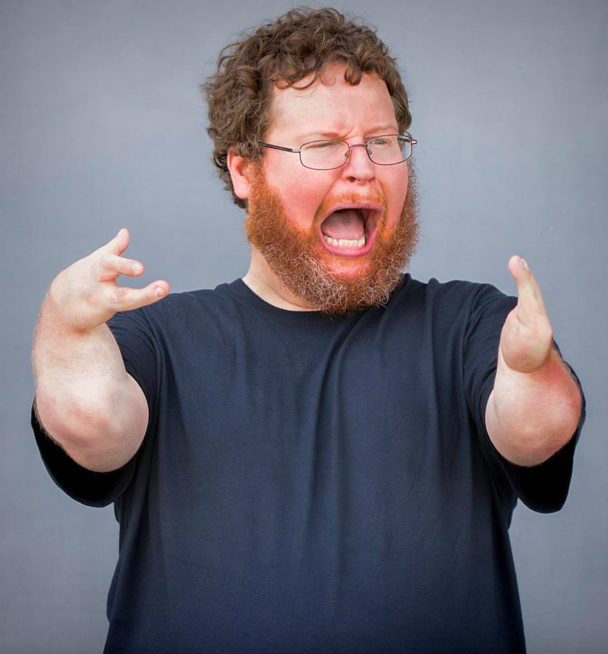
Ryan Niemiller, known as the “Cripple Threat of Comedy,” launched his stand-up in Los Angeles and gained national fame as a finalist (third place) on America’s Got TalentSeason 14 in 2019. He performs widely at comedy clubs, colleges, and theaters across the U.S., with recent shows in Indiana, New York, and Illinois. His stand-up specials and tours highlight his personal journey, often focusing on dating, work challenges, and finding acceptance as a person born with limb differences.
Niemiller’s humor is observational and storytelling based, with sharp timing and self-deprecation. He covers everyday life, disability, and identity, using his unique perspective to challenge stereotypes. On stage, he is confident, expressive, and charismatic, engaging audiences with quick wit and relatable tales. Fans on platforms like Reddit note his “charisma and an easygoing manner” that makes even jokes that miss land well. His 2024–2025 touring and solid AGT performance brought strong public recognition; he's praised for proving that one can succeed on their own terms. While still growing in fame, he has inspired other performers with disabilities to enter comedy and is forging new paths in stand-up by blending personal experience with mainstream humor.
Greg Kinnear
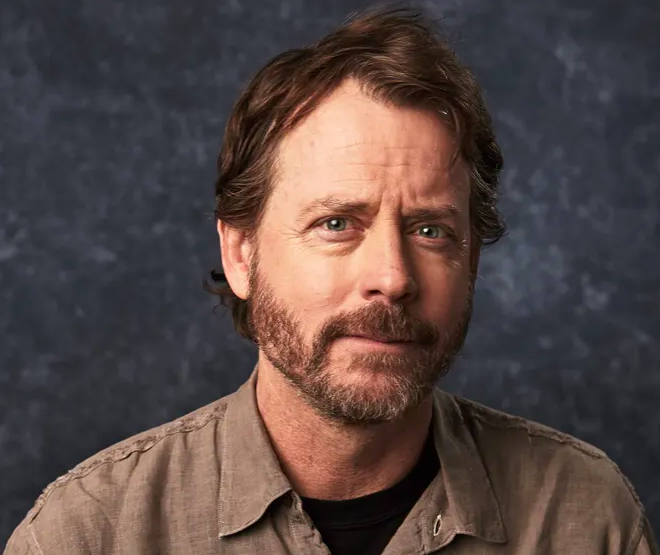
Greg Kinnear’s career began on TV as the original host of Talk Soup(1991–95), earning a Daytime Emmy and making his voice known through witty commentary. He moved to Later with Greg Kinnear(1994) before successfully transitioning to film with Sabrina(1995) and a breakthrough role in As Good as It Gets(1997), earning an Academy Award nomination and Golden Globe nod. His film highlights include You’ve Got Mail, Nurse Betty, Little Miss Sunshine(SAG-winning ensemble), Auto Focus, Flash of Genius(Boston Film Festival Best Actor), Ghost Town, The Last Song, and portraying John F. Kennedy in The Kennedysminiseries (Emmy-nominated).
Kinnear’s comedic style blends observational and character-driven humor with warmth and sarcasm, often playing charming yet flawed men. On screen and stage, he presents as affable, witty, and grounded, without catchphrases but with a reliably personable manner—Reddit users describe him as “charming sarcasm” and “cocky arrogant” in early roles evolving into more nuanced performances. His public recognition includes an Academy nod, Golden Globe and multiple Emmy nominations, a Daytime Emmy win, and a Screen Actors Guild Award for Little Miss Sunshineensemble.
Kinnear is respected as a versatile actor who bridged TV hosting and film, inspiring confidence in multi-medium performance paths. His influence stretches to how comedic actors can move seamlessly between genres, evident in his roles in both comedic and dramatic works. While not a stand-up comedian, his legacy lies in normalizing intelligent, character-based humor across formats and showing how charm and depth can coexist in mainstream entertainment.
Jo Anne Worley
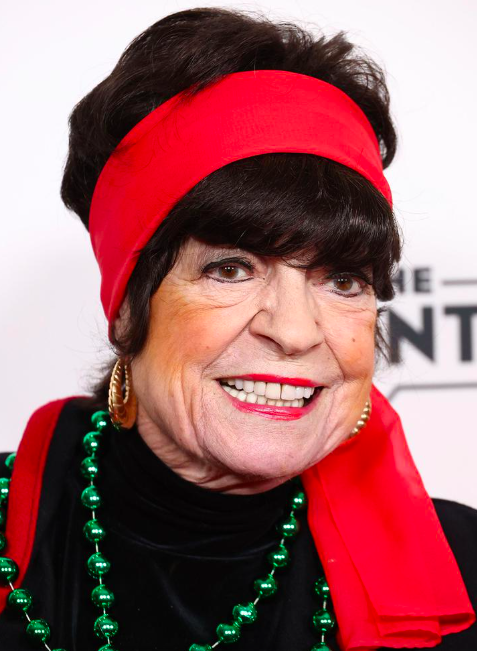
Jo Anne Worley began her career in musical theater and revue, earning notice in the 1961 Los Angeles production of Billy Barnes’ People(which briefly moved to Broadway) where critics praised her “earthy style.” She created a nightclub act in Greenwich Village and, after being spotted by Merv Griffin in 1966, appeared on The Merv Griffin Showaround 40 times before landing as a cast member on Rowan & Martin’s Laugh In(1968–73), which became her signature break. Worley’s career includes TV specials (Bob Hope, Monty Hall Comedy Bowl), game shows (Match Game, Hollywood Squares), Broadway roles (Hello, Dolly!, The Drowsy Chaperone), national tours (Mame, Gypsy, Wicked), and voice work in Disney films like Beauty and the Beastand A Goofy Movie.
Her comedic style is exuberant and exuberantly energetic, with bold, physical, and improvisational timing that shines in both sketch comedy and theater. Public recognition includes a Daytime Emmy for Talk Soup(though that was Greg Kinnear; Worley herself won a Drama Logue Award for Gypsyand was a beloved presence on Laugh In). On stage and screen, Worley presents a loud, charismatic persona with a signature boisterous laugh and robust voice, often playing zany or high spirited characters. Her versatility across sketches, musicals, and voice roles set a path for female comedians to work in diverse formats. Though not widely ranked in lists, she is considered iconic from the Laugh In era and helped pave the way for strong, comedic female roles in TV and theater.
Buddy Lewis
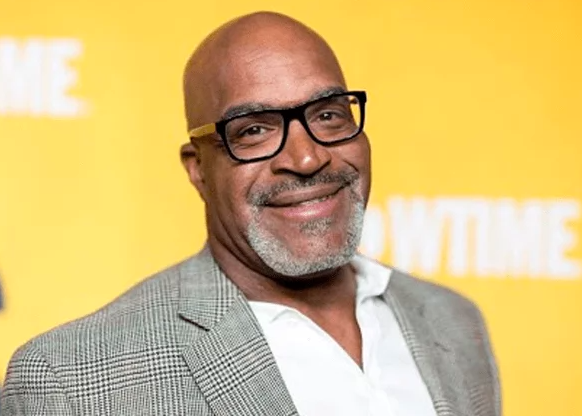
Buddy Lewis began his career performing in the D.C. comedy circuit before moving to Los Angeles in 1989, where his big break came with five appearances on BET’s Comic View, two spots on HBO’s Def Comedy Jam, and Martin Lawrence Presents: 1st Amendment. He ventured into acting with roles in films like House Party 4, Big Stan, and Black Dynamite, and appeared on TV shows including Martin, The Jamie Foxx Show, That’s So Raven, Suite Life of Zack & Cody, and Drake & Josh. He earned a recurring role in For Richer or Poorer(2012) and co-hosted Amazon Prime’s Lawd Have Mercy(2017), while also co-creating the Showtime dramedy White Famousin 2017.
Lewis’s style is observational and character driven, often drawing on personal life, faith, and entertainment industry experiences. On stage, he comes across as confident and engaging, sharing lively stories filled with wit, his vlog series “World’s Greatest Comic Golfer” blends golf with comedy, highlighting his unique comedic angle. Public recognition includes two NAACP Theatre Awards for supporting roles in The Fabric of a Man(2003) and Pearl(2004), and praise as a veteran writer and producer on hit shows like Real Husbands of Hollywood, Flex & Shanice, and White Famous. His influence is evident as he has worked behind the scenes with major comedians, Kevin Hart, DL Hughley, Steve Harvey, Jamie Foxx, and Monique, helping shape modern comedic voices, and his cross media success inspires others by showing the impact of versatile comedy careers. He continues to add value as a writer, producer, and voice artist across film, TV, and digital platforms.
Lisa Beasley
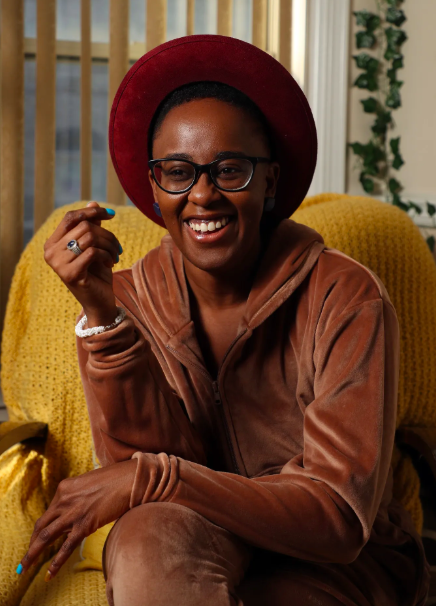
Lisa Beasley began her career in theater in Chicago, performing at the Black Ensemble Theater, Court Theater, and the Second City e.t.c., where she toured nationally and wrote two original revues. A turning point came in 2020 when her viral TikTok impressions, especially of Mayor Lori Lightfoot (“Lory Litefoot”), gained widespread attention, earning praise as “Best Mayor Impersonation” from the Chicago Reader. She now leads her own monthly live comedy show in Chicago, Lisa Beasley’s Comedy Show(formerly Unpolitical Women), featuring her range of characters and improv performances. Her screen work includes appearances on HBO Max’s South Side, NBC’s Chicago MED, and Comedy Central’s The Blackening, highlighting her versatility.
Beasley’s humor is satirical and observational, often built around strong character work, especially through her signature personas like “Lory Litefoot” and “Corporate Erin,” a passive aggressive office parody that resonated with millions on TikTok. On stage, she appears energetic, bold, and sharply witty, using her vibrant improv skills to engage audiences with relatable social themes and workplace humor. Publicly, she was named a 2024 Webby People’s Voice winner for social comedy and holds commendations from Black Enterprise, Essence, PopSugar, and more. Her influence lies in showcasing how character driven satire can blend online and live comedy. Beasley has inspired fellow comedians, especially women and creators of color, to explore bold, multimedia performance and digital storytelling.
Lance Patrick
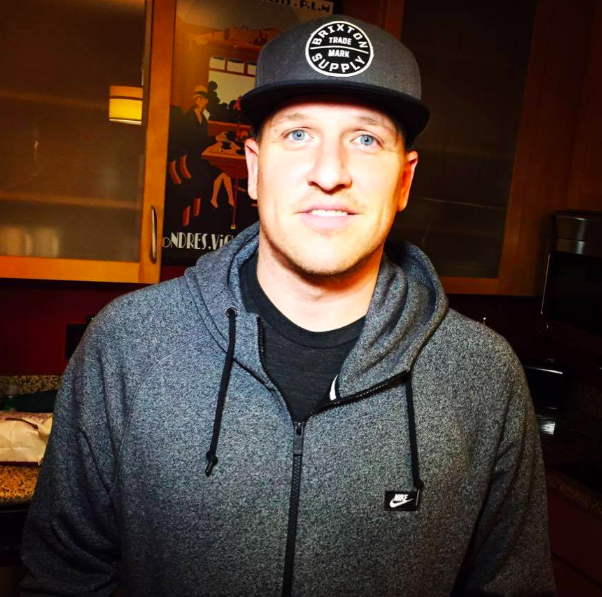
Lance Patrick began his stand up in the late 2000s in Los Angeles, building his stage chops before making his television debut in 2014 on Gabriel Iglesias Presents Stand Up Revolution. He has opened for Gabriel Iglesias on large tours in the U.S. and Australia and appeared on BET Comic Viewand Def Comedy Jam, marking important stepping stones in his career. Patrick has also acted in TV episodes, such as Monk, Heroes, Good Luck Charlie, and appeared uncredited in Behind the Candelabra, showing his range across comedy and drama.
Patrick’s style is observational and character driven, often centered on personal life, urban culture, and pop culture humor. He blends self deprecation with witty commentary, developing his voice over several years of touring and writing. On stage, he presents as candid and engaging, using quick wit and occasional improv to connect directly with audiences; he describes stand up as vulnerable but loves the “adrenaline rush.” Publicly, he is known as a rising talent, recognized for holding his own alongside established comedians like Iglesias on major tours. While still building his legacy, Patrick’s success across live, TV, and streaming formats highlights a growing influence on how modern comedians navigate diverse platforms.
Cory Edwards
Cory Edwards began his comedy career performing at clubs like The Comedy Store and The Improv, and hosting a Christian music video show on INSP in the early 1990s. He founded sketch groups (Bungalow Boys, Comedy 101), directed the college variety show Cheap Thrills, and competed in Last Comic Standingsemi-finals. A career turning point came with his first feature film Chillicothe(1999) being picked for Sundance, leading to Hoodwinked!(2005) where he co-wrote, directed, and voiced a lead character, earning $110 million at the box office. He continued with roles on ESPN2’s K9 Nation, voice work in Doogal(2006), created the webseries Roger Cosmonkeyand Krogzilla, and recently recorded a Dry Bar Comedy special and launched a podcast, Thanks For Stopping By.
Edwards’s comedic style is character driven, absurdist, and storytelling based, drawing on his animation background and life in the entertainment industry. On stage and screen, he is expressive, animated, and spontaneous, using voices, live illustration, and quick wit to engage audiences. Public recognition includes the Sundance selection for Chillicotheand the commercial success of Hoodwinked!, while his upcoming Dry Bar special and growing podcast showcase his broader audience appeal. Although not yet ranked like mainstream comedians, his influence lies in bridging stand up, film animation, web content, and podcasting, demonstrating a modern model of cross medium comedy.
Michael Essany
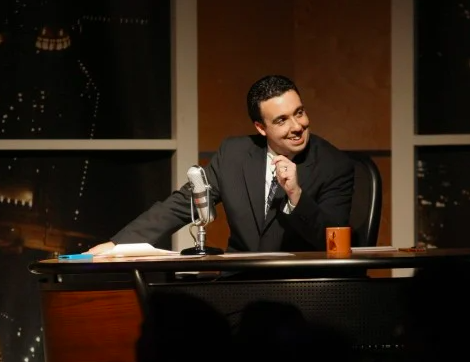
Michael Essany began hosting The Michael Essany Show on local cable access at age 14 in Valparaiso, Indiana (1997), which later aired nationally on E! for two seasons (1997 to 2004) with celebrity guests like Kelly Rowland and Mila Kunis. He continued his TV career with The Goodnight Show with Michael Essany on Amazon Prime in August 2017. His career also includes writing columns for the Times of Northwest Indiana, publishing books about TV production, working with social media strategy, and running for public office twice.
Essany’s comedic style is conversational and enthusiastic, rooted in his self-produced talk format, connecting with viewers through his small town charm and sincerity. On camera, he presents as earnest, engaging, and slightly quirky, often using his family’s home as a set and involving them directly, giving his show a warm, homey feel. Public recognition includes coverage in A&E Biography’s“America’s Most Remarkable People” in 2005 and features in Time, Newsweek, People, TV Guide, and Entertainment Weekly. His early success launching a national talk show from a teenager’s bedroom inspired others with limited resources to pursue creative broadcasting.
Ralph Dumke
Ralph Dumke began his career in vaudeville during the early 1920s, performing as one half of the comedy duo “The Mirthquakers” with Ed East on the B.F. Keith Circuit from 1922 to 1932. A key turning point came when their act was featured at the opening of Radio City Music Hall in December 1932. From 1930 to 1937, the pair hosted the popular Sisters of the Skilletradio program on NBC, blending sketches and music. In the 1940s Dumke transitioned to Broadway, appearing in productions like By Jupiter(1942), Show Boat(1946–47), and several others. From 1949 until 1961, he worked steadily in film and television, appearing in more than 40 feature films including All the King’s Men(1949), The War of the Worlds(1953), and Invasion of the Body Snatchers(1956), and guest roles on TV series like I Love Lucy, The Andy Griffith Show, and Perry Mason.
Dumke’s comedic style was grounded in vaudeville and sketch humor, often driven by character work and musical elements from his radio days. While exact public rankings or awards aren't documented, his presence on major radio, Broadway, and screen projects reflects widespread recognition from mid 20th century audiences. On stage and screen, he typically portrayed robust, authoritative characters, judges, mayors, doctors, bringing a confident, theatrical presence rather than relying on catchphrases. Ralph Dumke’s legacy lies in his early shaping of radio comedy and his seamless movement into Broadway, film, and television. He passed away at age 64 on January 4, 1964, in Sherman Oaks, California, from a sudden heart seizure.
Mike Warnke
Mike Warnke rose to fame in the mid 1970s as a Christian comedian and evangelist, claiming past experience as a Satanic high priest. His 1972 autobiography The Satan Sellerand popular comedy albums Alive!, Jester in the King’s Court, and more made him the top selling Christian comedian, leading to performances on 20/20, The Oprah Winfrey Show, and prime time news. He toured churches globally and even had June 29, 1988 declared “Mike Warnke Day” in Tennessee.
Warnke’s style blended storytelling and satire rooted in his dramatic testimony, mixing humor with dark themes of occult life and redemption. On stage, he came across as commanding and charismatic, weaving edgy jokes and sermon like dialogue. No official awards or rankings appear, but he was once widely recognized as “America’s Number One Christian Comedian.” In 1992, investigators from Cornerstonemagazine exposed major fabrications in his past, including false tales of Satanism, abuse, and violence, which led to cancelled bookings, suspended album sales, financial scrutiny, and the collapse of his ministry. Warnke admitted exaggeration and later released a memoir Friendly Fireaddressing the fallout, but his legacy remains controversial. His story serves as both a cautionary tale and a turning point in Christian entertainment ethics.
Kyle Bornheimer
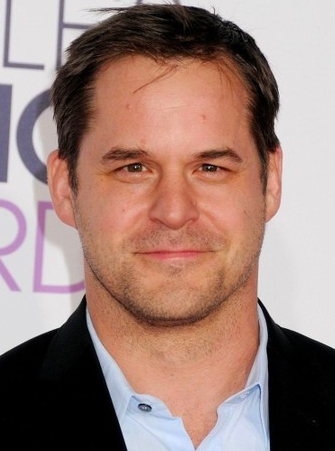
Kyle Bornheimer began with an early focus on writing and directing, later switching to acting after enrolling in classes, leading to national recognition through TV commercials for brands like Geico, Staples, and Coors Light. His big break came as the lead in the CBS sitcom Worst Week(2008–2009), followed by starring roles in Romantically Challenged(2010) and Perfect Couples(2010–2011). He also made notable guest appearances on shows such as Breaking Bad(as Ken, reprised in Better Call Saul) and recurring roles in Brooklyn Nine-Nine, Angel from Hell, Casual, and Avenue 5. His film roles include Blades of Glory(2007), She’s Out of My League(2010), You Again(2010), Bachelorette(2012), The Big Wedding(2013), The D Train(2015), Marriage Story(2019), and voice work in Pixar’s Onward(2020).
Bornheimer’s comedic style centers on observational, character driven humor, often playing the “everyman” especially abrupt, overconfident characters. In Breaking Badhe noted that his role as Ken explores “old school backwards chauvinism” and toxic masculinity in a comedic way. On screen, he brings an affable, self aware persona, sarcastic yet earnest, with quick wit and occasional improvisation. While formal awards are absent, he is widely recognized for his “always on TV” presence across commercials, sitcoms, and dramas. Bornheimer’s seamless movement between comedic and dramatic roles illustrates how modern actors can balance versatility, making him a respected figure in television comedy and beyond.
Kobi Libii
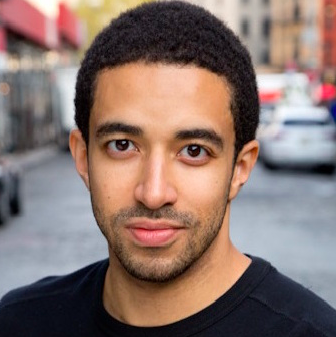
Kobi Libii’s career highlights include being a cast member and writer on The Opposition with Jordan Klepper(Comedy Central, 2017–18), where he served as a “citizen journalist”. He acted in several notable TV series Alpha House, Girls, Transparent, Madam Secretary, Jessica Jones, and Doubtand appeared in films like We Broke Up(2021) and The Hater(2022). A major turning point came in 2024 with his directorial debut The American Society of Magical Negroes, a satirical feature that premiered at Sundance and received support from the Maryland Filmmakers Fellowship. Additionally, he co-created the documentary play Boiling Pot(2007) and performed in Really Really(2013), showcasing his theater roots.
Libii’s comedic style is sharp, satirical, and character driven, often using absurdity to explore identity and societal norms. On stage and screen, he presents as expressive, thoughtful, and energetic, blending improvisation with strong narrative presence. Though formal awards are limited, he earned the 2019 Maryland Filmmakers Fellowshipfor his directorial work and the Sundance nod underscores growing recognition. His influence extends to crossing formats TV satire, live theater, film, and sketch comedy, paving a path for performers who blend social critique with multi platform storytelling.
Latest Articles
Popular Articles