Cliff Barackman Net Worth In 2026: What’s Publicly Known
Cliff Barackman Net Worth overview covering verified income sources, media work, and why major outlets have not published estimates.
Jan 29, 20262.4K Shares94.1K Views
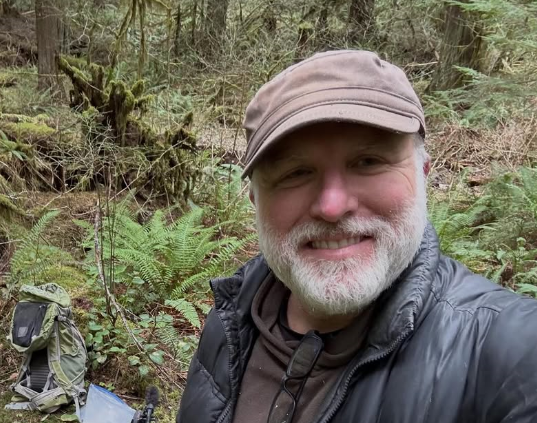
Cliff Barackman was born on November 28, 1970, in Long Beach, California. He grew up in the Long Beach area, spending his formative years in that Southern California community.
Barackman showed a strong interest in science and music from a young age. Profiles of his early life note that “throughout his youth, his interests were drawn towards both the physical and biological sciences, as well as to music.”
In particular, he has said that he loved classic monster and science-fiction films (Godzilla and werewolf movies) growing up, and that TV documentary series like In Search Ofin the 1970s excited him about the idea of real “monsters” in the natural world.
These childhood interests helped to nurture his lifelong fascination with the mysteries of nature. Barackman attended California State University, Long Beach. He earned a Bachelor of Arts degree there, focusing on jazz guitar.
(In later years he has worked as a musician and music teacher, but those are beyond the early-life period.) His education combined his musical talents (he pursued jazz guitar) with his ongoing passion for science.
Cliff Barackman’s upbringing in Long Beach fostered interests in both science and music, and that he pursued higher education in music while maintaining an enduring enthusiasm for scientific subjects.
| Important Fact | Verified, User-Relevant Explanation |
| Cliff Barackman Net Worth | No verified public figure as of 2026. |
| Profession | Cryptozoologist and Bigfoot researcher. |
| TV Role | Co-host of Finding Bigfoot (2011–2018). |
| Field Experience | 25+ years of investigations. |
| Education | BA in jazz guitar, CSULB. |
| Museum Founder | Director of North American Bigfoot Center. |
| Evidence Expertise | Large global footprint cast collection. |
| Research Style | Scientific, method-based analysis. |
| Podcast Host | Co-hosts Bigfoot & Beyond. |
| Income Sources | TV, museum, speaking, media. |
Cliff Barackman Career
Cliff Barackman is a cryptozoologist and Bigfoot researcher who has built a career around investigating and promoting evidence of sasquatches. Beginning as a schoolteacher, he transitioned into full-time field research and media work.
He spent nearly a decade as the evidence analyst and co-host of Animal Planet’s hit series Finding Bigfoot(2011–2018), and today he runs the North American Bigfoot Center museum in Oregon with his wife.
Over more than 25 years of field investigations, Barackman has led expeditions across North America and beyond, authored analyses of footprint and other evidence, and become a leading educator and speaker in the Bigfoot research community.
Early Career & Entry Into Cryptozoology Research
Barackman’s interest in unknown animals began in college and grew through his early professional life. He earned a Bachelor’s degree in music and worked as an elementary school teacher for about 14 years before entering Bigfoot research.
According to one profile, he quit teaching to search for Bigfoot full-time when Animal Planet launched Finding Bigfootaround 2011. His fascination was initially sparked by reading anthropological books on North American “hairy hominoids” during his college years.
This led Barackman to pursue academic and field research on cryptids, eventually becoming known internationally for this work.
Soon after leaving the classroom, Barackman became active with organized Bigfoot research groups. From the mid-2000s he joined public and private expeditions with the Bigfoot Field Researchers Organization (BFRO).
He participated in many searches and, by 2007–08, was leading multi-week expeditions in the Sierra Nevada and Oregon. His field investigations began as early as 1994, taking him into forests across 46 U.S. states and five continents in pursuit of evidence.
Throughout this period he combined formal investigation with grassroots research, attending workshops and compiling reports on Bigfoot sightings and footprints.
Professional Field Research In Bigfoot & Cryptozoology
In the field, Barackman became known for a meticulous, scientific approach to gathering evidence. He has tracked footprint casts, taken plaster molds, recorded audio, and collected other physical traces of unknown primates.
His collection of footprint and handprint casts is one of the largest in the world. It includes evidence from North America, Asia, Australia, and Europe, reflecting decades of expeditions.
Along with a team of field researchers (often including his longtime friend James “Bobo” Fay), he has conducted investigations in well-known Bigfoot regions such as the Pacific Northwest, the Sierra Nevada, and international locales like Sumatra.
In fact, after filming in Indonesia for Finding Bigfoot, Barackman initiated an Orang Pendek research project there, where his team quickly documented footprint impressions of a short, bipedal hominoid.
Barackman’s fieldwork continues rigorously even today. He typically spends hundreds of days each year on expeditions, trekking remote wilderness and educating citizen scientists.
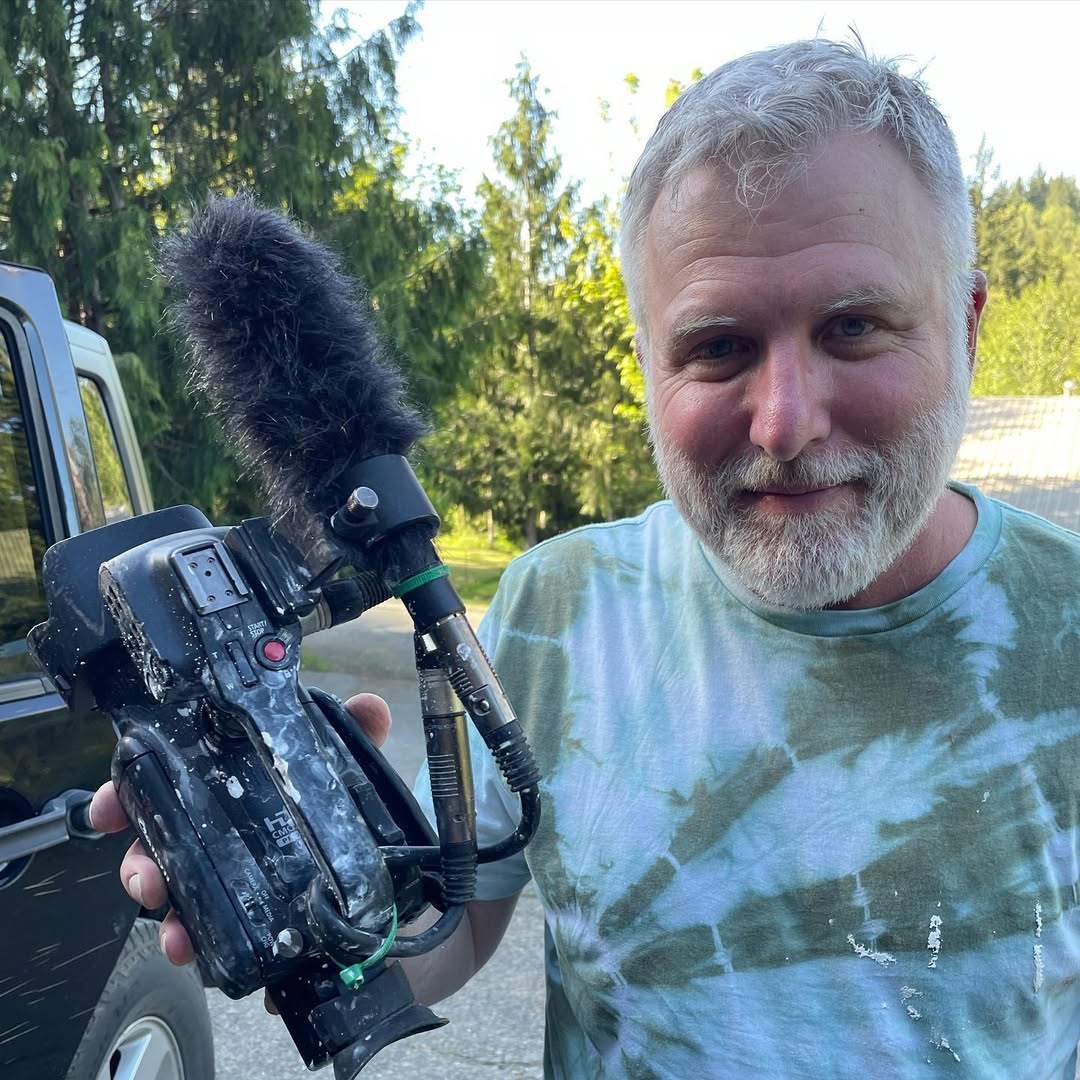
In interviews he emphasizes preparation and data collection: “I always bring a camera. I walk with a video camera in my hand… I bring a notebook to collect data… And, of course, plaster of Paris, in case I find footprints,” he explained of his search protocol.
His experience and careful tracking have made him a go-to investigator for unusual sightings. For instance, as a certified BFRO investigator he has compiled numerous sighting reports and led follow-up investigations in Oregon and neighboring states.
Through this hands-on work, Barackman has mapped patterns of Sasquatch reports and amassed a record of hundreds of footprint casts and encounter notes.
Television Career: Finding Bigfoot On Animal Planet
Barackman’s nationwide recognition arose chiefly from his television work. In 2011 he was invited to co-host Finding Bigfoot, a reality series on Animal Planet that ran for nine seasons (2011–2018).
As the show’s evidence analyst, he traveled with the Bigfoot Field Researchers team across North America and the world, examining potential clues on camera. He applied his expertise to scrutinize photographic, film, video, and audio data collected in the field.
By one count, he appeared in 100 episodes of Finding Bigfoot, helping to popularize the scientific study of Sasquatch evidence.
During the series, Barackman became known for his calm, analytical style and deep knowledge of track morphology. Viewers saw him casting footprints, measuring prints, and interviewing witnesses alongside co-hosts Matt Moneymaker, Bobo Fay, and Ranae Holland.
Over the show’s run, he built an international following among Bigfoot enthusiasts and skeptics alike. Following Finding Bigfoot, Barackman and Bobo continued on-camera work together by launching the weekly podcast Bigfoot & Beyond with Cliff & Bobo, where they interview experts and eyewitnesses in the field of cryptozoology.
This podcast, available on major platforms, carries on the team’s mission of sharing Bigfoot research insights.
In addition to Finding Bigfoot, Barackman has made guest appearances as a Bigfoot specialist on various other programs and documentaries. He is often consulted by producers of nature and paranormal shows due to his reputation as an experienced field researcher.
His television and media career has made him one of the most recognizable figures in popular cryptozoology.
Research Methods, Evidence Analysis & Field Expertise
Barackman is renowned for his expertise in track casting and evidence analysis. He has collected and studied casts of footprints and handprints for decades, learning to discern authentic prints from hoaxes.
His emphasis on objective measurement and documentation reflects a scientific mindset. For example, he once explained that casts from 1958 and casts from 2017, collected by different people, show the same anatomical features, suggesting consistency in the evidence.
In line with this rigor, he often works with academics. He has collaborated with anatomist Dr. Jeff Meldrum and others to interpret morphological details of casts.
On expeditions, Barackman follows a systematic protocol. He carries recording devices and tools for evidence preservation, taking GPS coordinates for any finding.
As he puts it, he is “always ready” with a video camera and plaster: “If you have to fish for it out of your backpack, you’re not going to get pictures.”
This preparedness has helped him gather hundreds of casts and digital recordings over the years. He then curates these artifacts; today he oversees one of the largest known Bigfoot evidence collections.
Many of these items are now housed at the museum he founded.
In his analytical role, Barackman also reviews witness reports and environmental data. He teaches seminars on footprint tracking and often instructs amateur researchers on field techniques.
Through his museum and outreach programs, he promotes a data-driven approach. His ability to examine varied evidence, such as stomped circles, broken branches, vocal recordings, and hair samples, speaks to his broad field skill set.
Overall, Barackman blends his educator’s patience with scientific attention to detail, making him a respected investigator of mysterious hominoids.
Public Recognition & Influence In The Cryptozoology Community
Cliff Barackman has become a leading figure in the cryptozoology community. He is frequently invited to speak at Bigfoot conferences, wildlife festivals, and museum events.
For example, he was featured as a keynote expert at major gatherings like the Great Florida Bigfoot Conference. Organizers describe him as “one of the world’s most recognized Bigfoot researchers and educators,” noting his extensive field work and calm credibility on camera.
Through his public talks, interviews, and social media presence, Barackman has greatly increased awareness of Bigfoot science.
His founding of the North American Bigfoot Center has been particularly influential. As a public museum, it showcases the evidence he and others have collected.
The Center has garnered media coverage in outlets ranging from local Oregon news to national blogs, highlighting Barackman’s role in preserving Sasquatch lore.
At the museum and in other forums, he often addresses skeptics and the curious public, presenting evidence objectively and encouraging critical thinking. His balanced approach, framing Bigfoot hunting as analogous to other outdoor activities, has helped legitimize cryptozoology as a subject of study.
Within the Bigfoot field, peers respect him for his integrity. Cryptozoology bloggers and enthusiasts have honored him with awards and recognition.
Fellow researchers note that Barackman and his co-hosting of Finding Bigfootput Bigfoot on the international map, effectively growing a community of investigators and amateur trackers.
In short, his decades of active research, combined with his media visibility, have made Barackman an authoritative voice advocating that unexplained sightings merit serious scientific attention.
Current Career Work & Ongoing Research Activities
Today Barackman continues to blend museum curation, field research, and public outreach. He serves as curator and director of the North American Bigfoot Center in Boring, Oregon, a museum he and his wife Melissa opened in 2019.
The Center, home to the Pacific Northwest’s largest public Bigfoot exhibit, offers year-round educational programs and evidence displays. Barackman oversees operations, giving tours and lectures on Sasquatch history and sightings.
He also trains staff and volunteers in field data collection, ensuring the Center’s mission of “credible investigation” continues.
In parallel, Barackman remains active in field research. He embarks on expeditions multiple times per week and collaborates with other Bigfoot research groups.
He maintains his network of witnesses and analysts, and he evaluates new reports that come into the museum. Additionally, Barackman co-hosts the ongoing Bigfoot & Beyondpodcast, where he and James Fay discuss the latest cryptid research and interview experts.
This podcast keeps him engaged in the community, exploring mysteries beyond North America as well.
Barackman’s current activities also include participating in Sasquatch-related events and festivals. He has been announced as a speaker for regional Bigfoot gatherings such as the Mt. Hood Sasquatch Festival (2025) and similar events where he shares updates on field findings.
Through all these channels, museum, podcast, public speaking, he continues to promote his core message: that investigation of Bigfoot must be methodical and open-minded.
Cliff Barackman’s career remains defined by a blend of rigorous field science and popular outreach, as he strives to advance the study of North America’s most famous cryptid.
Cliff Barackman Net Worth
As of 2026, no reliable public estimate of Cliff Barackman’s net worth has been published by major outlets or recognized wealth-tracking sites.
Cliff Barackman is an American cryptozoologist and co-host of Animal Planet’s Finding Bigfoot; he also co-founded and curates the North American Bigfoot Center in Oregon. He derives income from television appearances, museum operations, public speaking, and other Bigfoot-related activities.
Because no official financial disclosures exist and major publications like Forbes or Bloomberg have not reported on his wealth, any net worth figures found online should be treated as unverified.
FAQs
1. Who Is Cliff Barackman?
Cliff Barackman is an American cryptozoologist and field researcher best known for co-hosting the Animal Planet series Finding Bigfoot. He has conducted Bigfoot field research since the mid-1990s and curates a large collection of footprint and handprint casts.
2. Where Was Cliff Barackman Born?
Cliff Barackman was born on November 28, 1970, in Long Beach, California, where he also spent his early life.
3. What Television Series Made Cliff Barackman Known?
Barackman gained national recognition as the evidence analyst and co-host of Finding Bigfoot, which aired on Animal Planet from 2011 to 2018.
4. What Is Cliff Barackman’s Role In Bigfoot Research?
He researches and documents potential evidence of Sasquatch through field expeditions, footprint casting, and analysis, and he curates one of the largest collections of such evidence.
5. Does Cliff Barackman Run Any Bigfoot-related Institutions?
Yes, he owns and curates the North American Bigfoot Center, a museum and research facility in Boring, Oregon, focused on Sasquatch evidence and education.
Latest Articles
Popular Articles