What Was Chris LeDoux’s Net Worth At The Time Of His Death?
Verified facts on Chris LeDoux Net Worth, including income sources from music and rodeo, and why no official figure was published.
Jan 28, 2026150 Shares29.9K Views
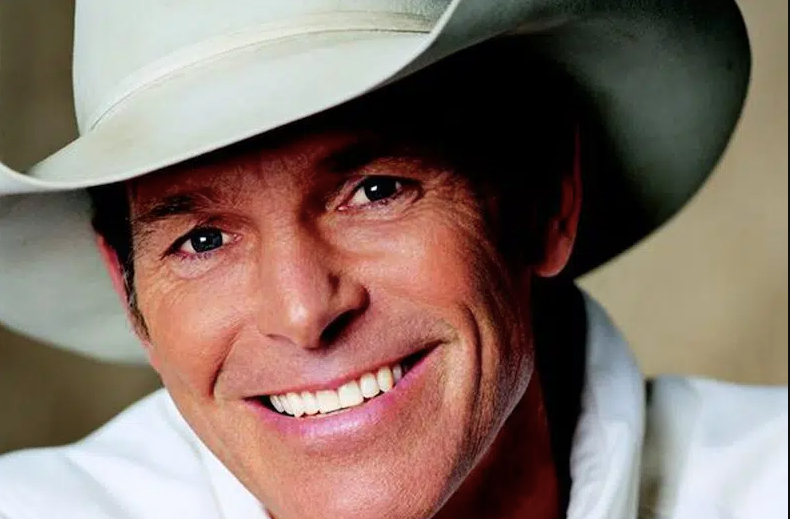
Christopher Lee LeDoux was born on October 2, 1948, in Biloxi, Mississippi. He was the son of Alfred (“Al”) and Bonnie LeDoux, and his father was serving as a pilot in the U.S. Air Force at the time. Because of his father’s military career, LeDoux’s family moved frequently, living in various parts of the United States and abroad during his childhood.
He often spent summers on his grandfather’s farm in Michigan and at other times lived with his family in Austin, Texas, before eventually settling in Cheyenne, Wyoming. In Cheyenne, he attended Cheyenne Central High School.
As a youth, LeDoux taught himself to play musical instruments: by about age 12 he was learning harmonica, and by age 14 he had learned guitar. He composed his first song, “Bareback Jack,” while still in high school in Cheyenne.
His upbringing on ranches and rodeo grounds fostered a deep early interest in horses, the rodeo lifestyle, and the American West. He later attended Casper College in Wyoming on a rodeo scholarship.
| Fact Category | Verified & Important Information |
| Chris LeDoux Net Worth | No verified net worth at death. |
| Income Sources | Earned from music, touring, and rodeo. |
| Rodeo Title | PRCA World Bareback Champion (1976). |
| Album Output | Released 36 albums. |
| Record Sales | Sold nearly six million records. |
| Label Deal | Signed with Capitol/Liberty in 1991. |
| Major Hit | “Whatcha Gonna Do with a Cowboy” Top 10. |
| Hall of Fame | Inducted into multiple rodeo halls. |
| Cause of Death | Died from cholangiocarcinoma in 2005. |
| Legacy | Remembered as an authentic cowboy icon. |
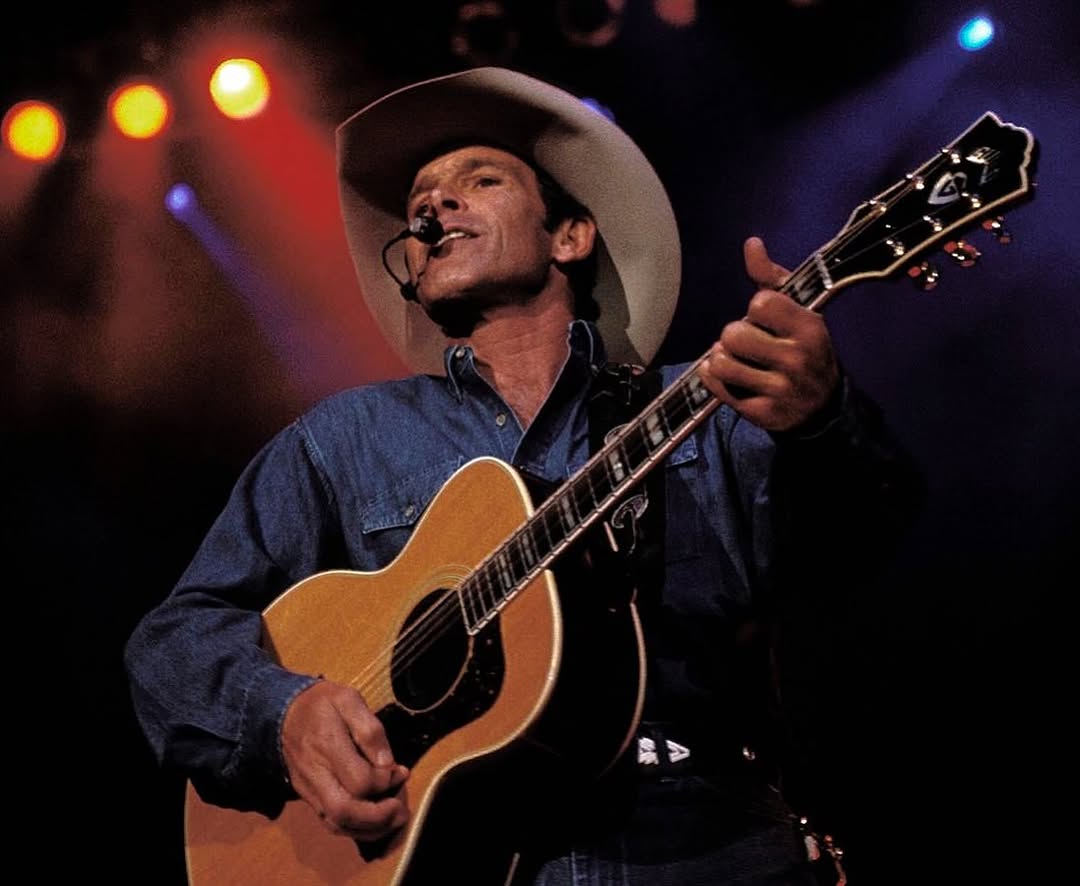
Chris LeDoux Career
Chris LeDoux forged a unique career path in American rodeo and country music. He was a world champion bareback bronc rider and a respected singer-songwriter, blending authentic cowboy themes into his songs.
Over his multi-decade career, LeDoux recorded 36 albums and sold nearly six million copies. His work as a Western musician and artist earned him major industry honors, reflecting both his rodeo success and his influence on cowboy culture.
Early Rodeo Career & Hall Of Fame Recognition
LeDoux won numerous rodeo championships in his youth and early career, including the Little Britches bareback title in 1964, the Wyoming high school bareback bronc championship in 1967, and the National Intercollegiate Bareback Riding championship in 1969.
He turned professional soon after college and qualified for the National Finals Rodeo five times, ultimately capturing the PRCA World Bareback Riding Championship in 1976.
These achievements led to multiple Hall of Fame honors. He was inducted into the ProRodeo Hall of Fame in 2005, unique as the first inductee in both the Bareback Riding and Notables categories.
He was also inducted into the National Cowboy & Western Heritage Museum’s Rodeo Hall of Fame in 2006 and into the Cheyenne Frontier Days Hall of Fame in 2003.
Transition Into Country & Western Music Industry
Even during his rodeo days, LeDoux nurtured a parallel music career. He founded his own label in the early 1970s and released his debut album, Songs of Rodeo Life, in 1971, distributing tapes personally at rodeo events.
Over the next two decades he self-produced more than twenty albums, building a devoted regional following.
His fortunes changed after country superstar Garth Brooks mentioned LeDoux in a 1989 hit song. In response to the new national attention, LeDoux signed with Capitol/Liberty Records in 1991.
He released Western Undergroundthat year and followed with several major-label albums. The 1992 album Whatcha Gonna Do with a Cowboywent gold, and its title duet with Brooks became a Top 10 country single, peaking at No. 7.
This breakthrough established LeDoux in the mainstream country music industry.
Professional Expertise In Cowboy & Western Music
LeDoux became known as one of country music’s authentic cowboy singers, writing songs rooted in the rodeo life and Western experience.
The ProRodeo Hall of Fame noted that LeDoux’s music was “straight from life and the rodeo road,” highlighting the genuine voice in his songwriting.
He performed with his band, the Western Underground, and was famous for high-energy shows, complete with a mechanical bull and fireworks, that emphasized his cowboy persona.
The International Western Music Association later described him as “the real deal; a real cowboy and a great singer-songwriter of Western songs,” reflecting his deep connection to Western traditions.
In addition to his music, LeDoux was a talented bronze sculptor, creating Western-themed works collected by friends such as Charlie Daniels and Garth Brooks.
Major Albums, Songs & Career Achievements
LeDoux’s major-label recordings yielded multiple gold-selling releases. His duet “Whatcha Gonna Do with a Cowboy” not only earned a Grammy nomination in 1992, but its success drove the parent album to Gold certification.
Subsequent albums and compilations were also RIAA-certified. The Best of Chris LeDouxearned Gold status, and his 2005 20 Greatest Hitscompilation went Platinum.
On the charts, LeDoux scored two Top 20 singles: “Whatcha Gonna Do with a Cowboy,” which reached No. 7 in 1992, and “Cadillac Ranch,” which peaked at No. 18 in 1993.
Other notable songs, such as “A Cowboy Like Me” and “Too Tough to Die,” became fan favorites even if they did not hit the Top 40.
LeDoux also ventured beyond traditional country. In 1998 he recorded “Bang a Drum” featuring rock star Jon Bon Jovi, a track that charted on the country listings and broadened his audience.
Throughout his career he received industry recognition for his cowboy music, including multiple award nominations and, posthumously, the Academy of Country Music’s Pioneer Award.
Death Of Chris LeDoux & Official Cause
Chris LeDoux died on March 9, 2005, in Casper, Wyoming, at the age of 56. According to official reports, his death was due to complications of cholangiocarcinoma, a cancer of the bile ducts.
He had previously undergone a liver transplant in 2000 and continued to perform, but the cancer returned in late 2004. His passing was noted as the loss of a true “singing cowboy” figure in the country and rodeo communities.
Posthumous Legacy & Influence On Country Music
LeDoux’s legacy has been honored by many tributes and ongoing recognitions. In 2005 the Academy of Country Music posthumously presented him with the Pioneer Award for his contributions to the genre.
At the same year’s CMA Awards, Garth Brooks performed the tribute song “Good Ride Cowboy,” and LeDoux was posthumously given the CMA Chairman’s Award of Merit.
His legend is celebrated in annual events. In Casper, Wyoming, a Chris LeDoux Memorial Rodeo now takes place each fall, featuring rodeo performances, music, and exhibitions of his sculptures.
A life-size sculpture depicting LeDoux’s 1976 championship ride stands on display in Kaycee, Wyoming, at the Chris LeDoux Memorial Park.
Reflecting on his impact, the National Cowboy & Western Heritage Museum notes that his “legacy endures through his success as a cowboy, music entertainer, songwriter and artist.”
In country music circles, LeDoux is remembered as an authentic cowboy hero whose songs and spirit continue to influence Western and country artists.
What Was Chris LeDoux’s Net Worth When He Passed Away?
At the time of his death, no reliable net worth estimate for Chris LeDoux had been published.
LeDoux earned income from his decades-long career as a professional rodeo competitor and country music singer-songwriter. He released 36 albums (selling over six million copies in the US) and earned multiple RIAA certifications.
His music enabled extensive touring and generated ongoing songwriting royalties. His rodeo world championship and other competition wins also generated prize earnings. No major financial outlet (e.g. Forbes) confirmed any net worth figure, so any estimate remains purely speculative and unverified.
FAQs
Who Was Chris LeDoux?
Chris LeDoux was an American professional rodeo champion and country–Western singer-songwriter. He is best known for winning the 1976 PRCA World Bareback Riding Championship and for recording music rooted in authentic cowboy life.
What Was Chris LeDoux Famous For?
LeDoux was famous for combining a successful professional rodeo career with a long-running music career focused on Western and cowboy themes. His authenticity made him a respected figure in both rodeo and country music communities.
Did Chris LeDoux Win Any Rodeo Championships?
Yes. He won the PRCA World Bareback Riding Championship in 1976 and qualified for the National Finals Rodeo five times during his career.
How Many Albums Did Chris LeDoux Record?
Chris LeDoux recorded 36 albums over his lifetime. His recordings sold nearly six million copies in the United States.
Did Chris LeDoux Write His Own Songs?
Yes. LeDoux wrote or co-wrote much of his material, drawing heavily from his personal experiences in rodeo and Western life.
What Was Chris LeDoux’s Breakthrough In Country Music?
His mainstream breakthrough came after Garth Brooks mentioned him in a 1989 song, which increased national attention. LeDoux later signed with Capitol/Liberty Records in 1991.
Latest Articles
Popular Articles