Chimbala Net Worth: Earnings From Dembow And Touring
Chimbala Net Worth examined using verified information on his music career, performance fees, royalties, and ongoing projects.
Jan 28, 20261.3K Shares58.2K Views
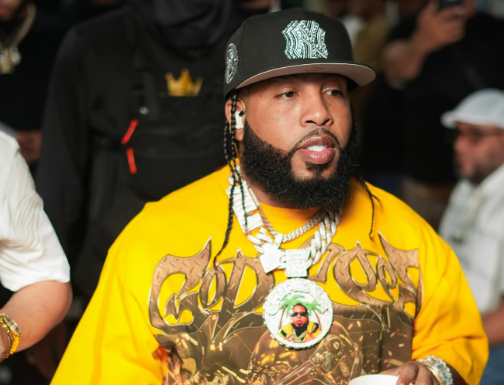
Leury José Tejeda Brito known as Chimbala was born on May 18, 1989, in the 27 de Febrero neighborhood of Santo Domingo in the Dominican Republic. He was born into a humble, working-class family.
During his childhood he lost his father, and a few years later around age 15 his family moved to the Los Guaricanos district of northern Santo Domingo. In Los Guaricanos, Chimbala’s family supported his interest in music. His parents even set up a home recording studio to keep him focused and off the streets.
There he learned to record and produce his own songs, and as a teenager he began making music for neighborhood friends. Growing up in that community, he witnessed local crime and drug activity, but he avoided those vices, saying he honored his father’s advice not to take them up.
| Fact Category | Verified & Important Information |
| Chimbala Net Worth | No verified public net worth as of 2026. |
| Income Sources | Earns from music, streaming, shows, and features. |
| Early Background | Raised in a working-class Santo Domingo family. |
| Family Support | Family built a home studio in his teens. |
| Music Entry | Entered dembow scene in late 2000s. |
| Genre Role | Leading Dominican dembow performer. |
| Music Style | High-energy, dance-focused dembow tracks. |
| Collaborations | Worked with El Alfa and top urban artists. |
| Industry Impact | Helped expand dembow across Latin America. |
| Current Status | Actively releasing and performing music. |
Chimbala Career
Leury José Tejeda Brito, professionally known as Chimbala, is a Dominican urban music rapper and singer from Santo Domingo. He is widely recognized as one of the primary performers of dembow in Latin America.
Over the years, he has built a strong professional reputation through consistent music releases, high-energy performances, and collaborations with established artists in the Dominican and Latin urban music scene.
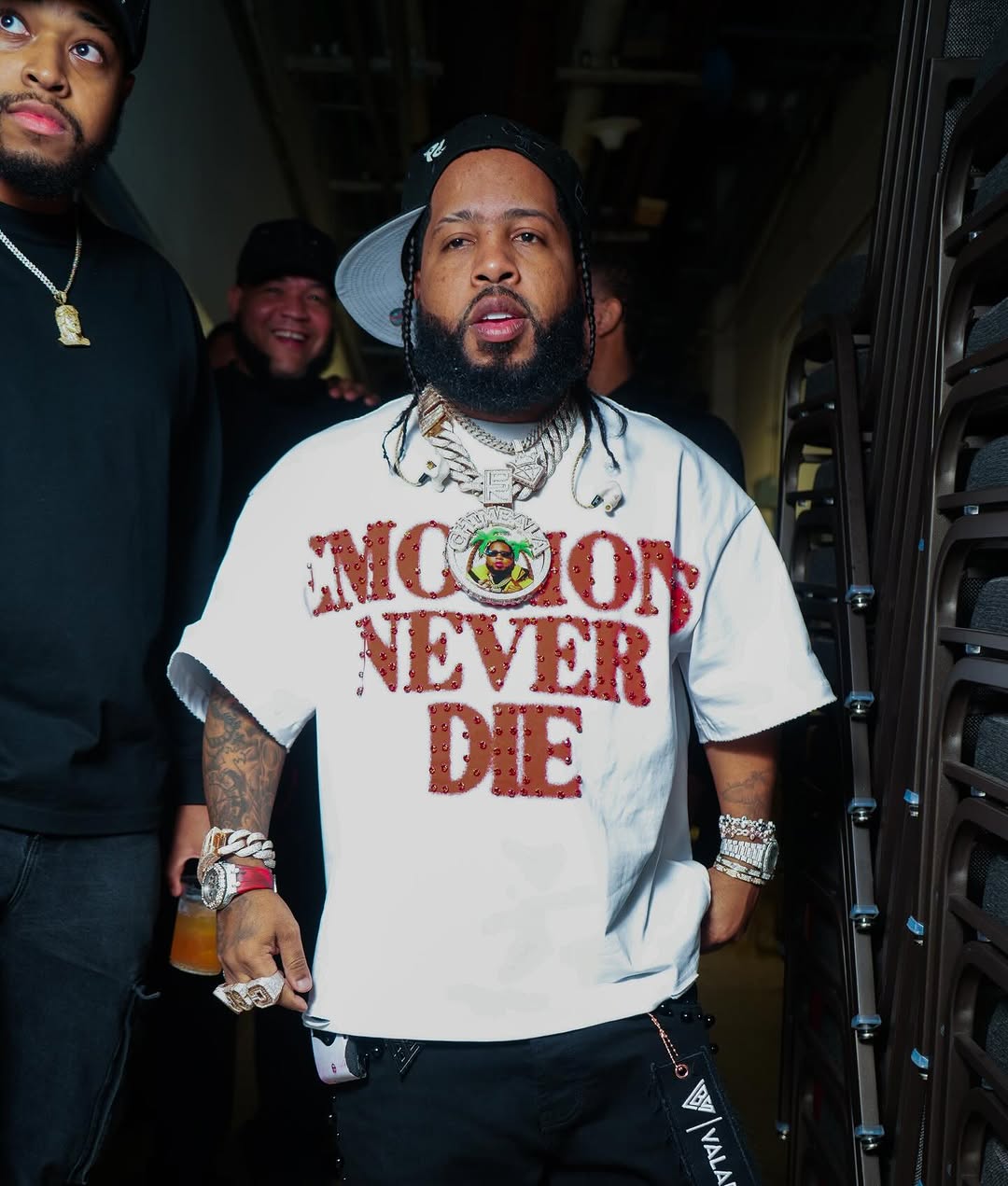
Early Music Career & Entry Into Dominican Dembow
Chimbala entered the Dominican urban music scene in the late 2000s, working within the growing dembow movement. He began releasing solo music in the early 2010s, gaining attention through tracks that reflected the fast-paced rhythm and street-inspired sound of Dominican dembow.
His early releases helped position him as an emerging artist within the local urban circuit and laid the foundation for his professional career.
Professional Expertise As A Dembow Rapper & Singer
Chimbala is professionally known for his ability to create energetic dembow tracks designed for dance-focused audiences. His music combines rhythmic intensity, repetitive hooks, and clear vocal delivery, which are key elements of the dembow genre.
He has demonstrated consistent expertise in adapting dembow for broader audiences while maintaining its core Dominican identity. His work reflects a strong understanding of urban music trends and performance-driven production.
Rise As A Leading Dembow Performer In Latin America
As dembow gained popularity beyond the Dominican Republic, Chimbala emerged as one of the genre’s most visible performers in Latin America. His increasing presence in international markets was supported by strong streaming performance, digital engagement, and collaborations with well-known urban artists.
His growing recognition positioned him as a representative figure of Dominican dembow on regional and international platforms.
Major Songs, Collaborations & Career Milestones
Throughout his career, Chimbala has released multiple commercially successful singles that contributed to his rise in the Latin urban music industry. He has collaborated with prominent artists such as El Alfa, Mozart La Para, José Reyes, Don Miguelo, Black Point, and La Materalista.
These collaborations expanded his audience reach and strengthened his professional standing within the Dominican urban music network. Several of his songs achieved high visibility on digital platforms and became popular selections in clubs and live performances.
Influence On Dominican Urban Music Scene
Chimbala has played an important role in the mainstream growth of Dominican dembow. His music helped bring wider recognition to the genre and contributed to its acceptance across different Latin music markets.
By consistently releasing dembow-focused tracks and collaborating with other urban artists, he has supported the genre’s development and visibility. His work has influenced newer performers and reinforced dembow’s position within Dominican urban culture.
Current Career Status & Ongoing Music Projects
As of recent years, Chimbala remains actively involved in the music industry. He continues to release new material, perform internationally, and collaborate with artists from various Latin genres.
His ongoing projects reflect a continued commitment to dembow while also exploring cross-genre collaborations. Chimbala maintains his status as an established and influential figure in Dominican urban music, with an active professional presence and ongoing career development.
Chimbala Net Worth
As of 2026, no reliable public estimate of Chimbala’s net worth has been published, and major outlets like Forbes or Bloomberg have not reported a figure.
Chimbala is a Dominican urban music rapper and singer known for Latin dembow. His income derives from his music career, including record sales, streaming royalties, and collaborations with other artists.
He also earns from live concerts and tours, performing internationally and across Latin America, generating revenue from ticket sales and performance fees. Any figure found online is unverified and speculative, reflecting the uncertainty and limitations of available information.
FAQs
Who Is Chimbala?
Chimbala is the stage name of Leury José Tejeda Brito, a Dominican urban music rapper and singer. He is best known as a leading performer of Dominican dembow.
When And Where Was Chimbala Born?
Chimbala was born on May 18, 1989, in the 27 de Febrero neighborhood of Santo Domingo, Dominican Republic. He was raised in a working-class family environment.
What Music Genre Is Chimbala Known For?
Chimbala is primarily known for Dominican dembow, a fast-paced urban genre. His music focuses on energetic rhythms designed for dance and live performances.
How Did Chimbala Start His Music Career?
He began recording music as a teenager after his family set up a home studio in Los Guaricanos. This allowed him to learn basic recording and production while releasing early tracks locally.
Why Is Chimbala Important To Dominican Dembow?
Chimbala played a role in expanding dembow’s reach beyond local audiences through consistent releases and collaborations. His work helped increase the genre’s visibility in Latin America.
Latest Articles
Popular Articles